How to Remove Wall Anchors: Quick & Easy Methods
Wall anchors are designed to sit tightly in the wall—after all, that is their job. But how do you get them out again without damaging your drywall? We explain the best methods for removing wall anchors and share a few clever tricks from the toolbox.
It all depends on the wall plug
Grab the pliers, pull, and hope for the best? Depending on the type, wall plugs are anchored into the wall in different ways. If you use the wrong method when removing a wall plug, you could end up cracking the wall in the worst-case scenario. That is why you should first check what kind of wall plug you are dealing with:
Type | Key Feature | Typical Use |
|---|---|---|
All-Purpose / Universal Anchor | Standard wall anchor, usually made of plastic | Lightweight hanging (pictures, etc.), all wall types |
Drywall / Insulation Anchor | Self-tapping anchor with a wide external thread, usually made of plastic | Drywall and insulation surfaces, especially on facades |
Hollow Wall Anchor | Heavy-duty wall anchor with expanding metal wings | Hollow walls and cavity structures |
Expansion Anchor | Anchor with small ribbed wings, made of plastic | Lightweight hanging (pictures, etc.), solid walls |
Removing simple wall plugs
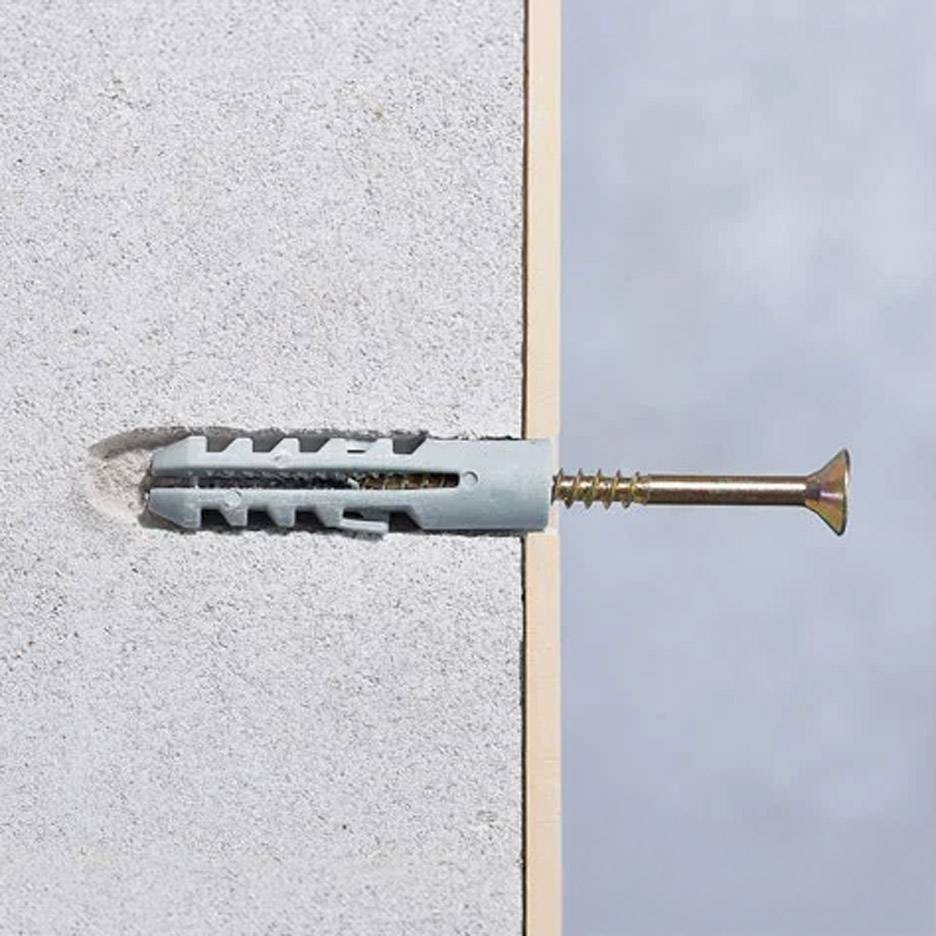
Unproblematic universal and expansion wall plugs can be removed in a flash if you grip them correctly. Here is how you do it:
- Choose a screw that fits perfectly into the wall plug.
- Turn the screw no more than 0.8 inches deep into the wall plug.
- Grip the screw with pliers and pull everything out of the wall.
Removing stuck wall plugs
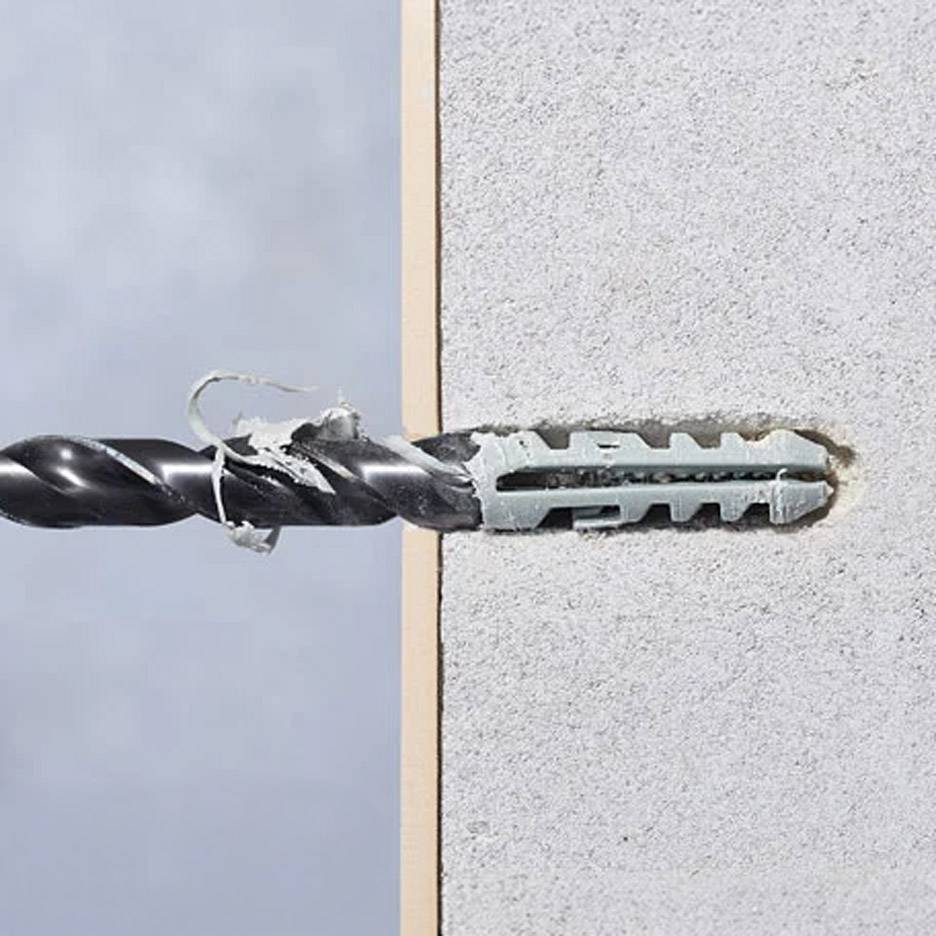
If you want to remove stuck universal or drywall anchors, you can drill them out. Essentially, you are milling them out of the drill hole. To do this, you will need a drill or a cordless screwdriver with a drill bit. Here is how to proceed:
- Choose a drill bit with a slightly larger diameter than the wall plug.
- Drill directly into the plug using light pressure.
- Check regularly to see if the plug has been completely milled out.
Tip: If you feel sudden resistance when drilling out of solid walls, you have pierced through the plug and hit the masonry behind it.
Removing Self-Tapping Anchors
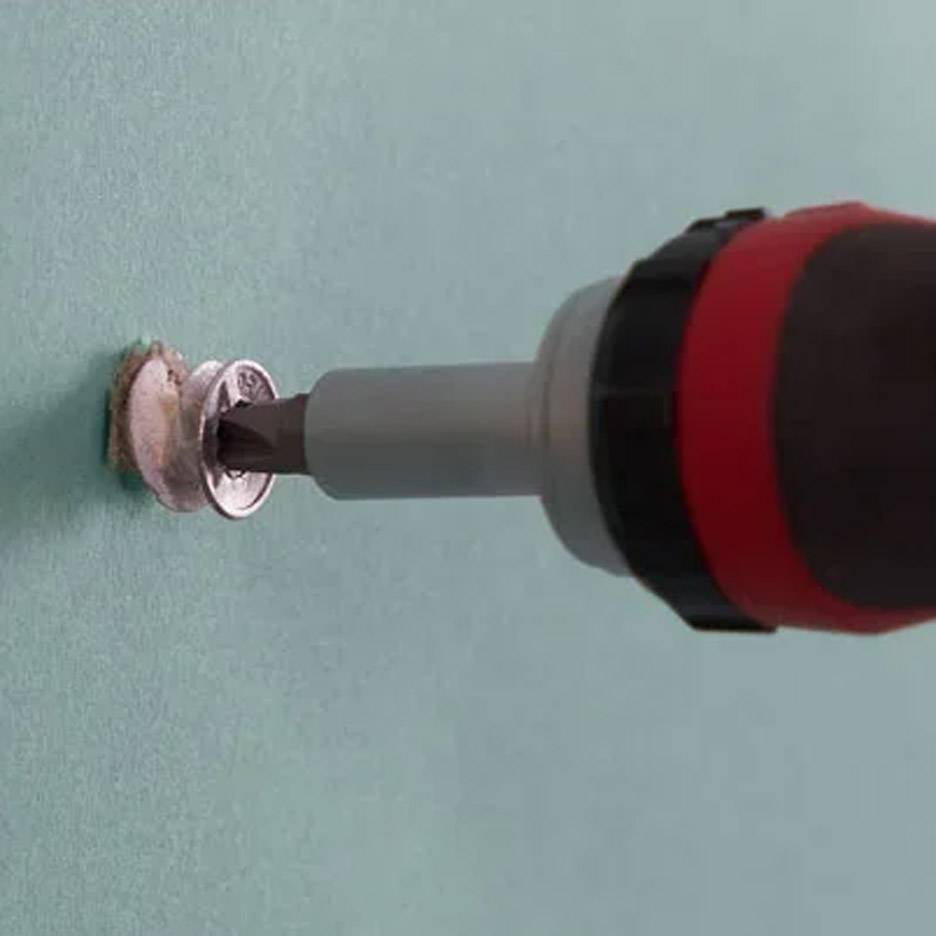
You can unscrew self-tapping wall anchors with external threads just as easily as you screwed them into the wall. Here is how it works:
- Choose a matching screwdriver or a pair of flat-nose pliers.
- Unscrew the anchor by turning it counterclockwise.
- Make sure your tool is seated straight inside the anchor while doing so.
Removing hollow wall anchors
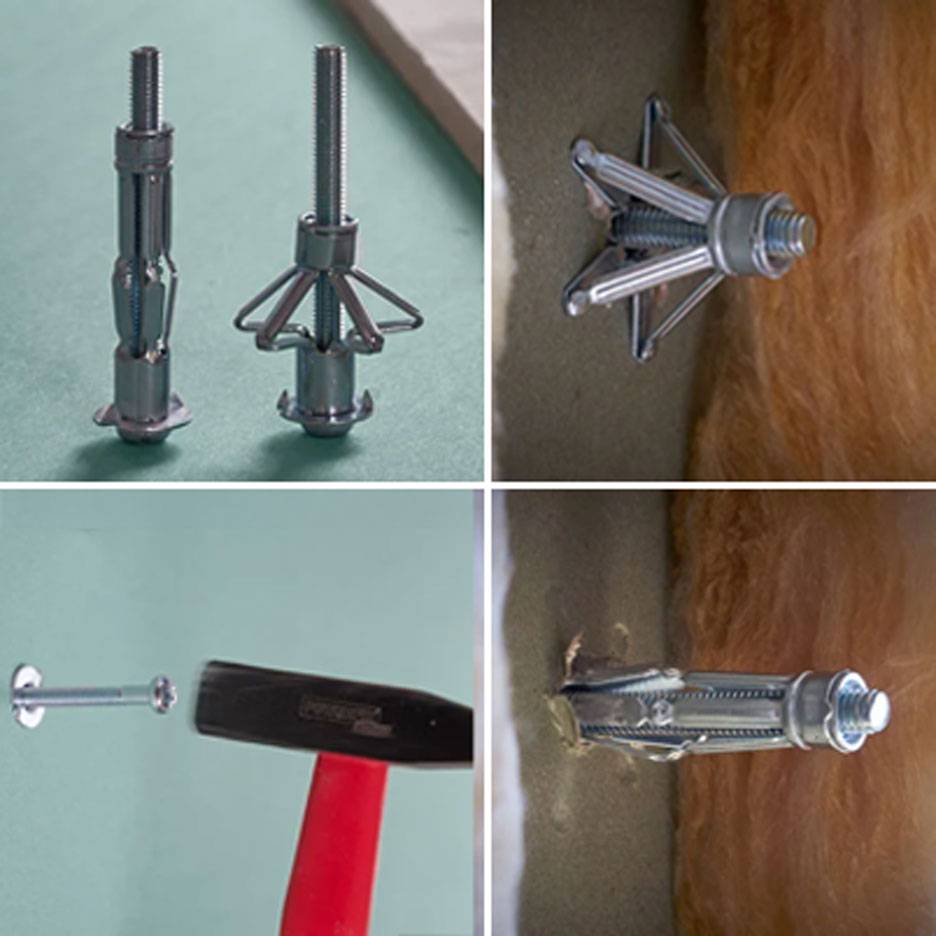
If you want to remove hollow wall anchors, things get a bit more complicated. This is because they work differently than the anchors mentioned above. To remove metal anchors, follow these steps:
- Choose a long screw that fits perfectly.
- Gently screw it in. It is important that it grips the rear thread of the anchor, but still protrudes at least 2 cm from the wall at the front.
- Gently tap the screw with a hammer. This pushes the thread out behind the wall, causing the anchor's barbs to retract.
- If the screw cannot be tapped in any further, the barbs have folded in sufficiently.
- Now you can pull the hollow wall anchor out of the wall by hand or with a pair of pliers.
Tip: How to remove a wall plug without tools?
If you don't have the right tool on hand, simply twist a corkscrew into the wall plug and pull it out. Just make sure the corkscrew doesn't go in too deep, so the wall plug doesn't expand.
Remove the wall anchor, then what?
You don't need any DIY skills to fill the drill holes, just the right tools and a little care:
- Clear the drill hole of dust and debris (ideally with a vacuum cleaner).
- Moisten the hole from the inside (for example, with a cotton swab).
- Use a silicone, plaster, or cement-based filler to fill the hole.
Did you know? Removing wall anchors is not a basic tenant obligation. The landlord can only demand the removal of wall anchors if the number of drill holes in the walls exceeds a reasonable amount. Check your lease agreement – there are usually clear rules regarding this.