How to fill and plant a raised garden bed
A raised garden bed offers many benefits: it provides a comfortable working height, can transform balconies and patios into true plant paradises, and allows a garden with poor soil to flourish. To ensure your raised bed brings you joy for a long time, there are several things to consider. Find essential tips here on layering, proper planting, and choosing the right flowers, herbs, and vegetable varieties.
Contents
Why is filling and planting your raised bed correctly so important?
Raised beds are especially popular because of their high concentration of nutrients. With a raised bed, flowers, herbs, and vegetables can be grown even in locations where the natural soil doesn't allow for successful planting. To ensure that these essential nutrients are available, the way you fill your raised bed is crucial. Only with the right layers and the natural decomposition process does a raised bed become a true nutrient powerhouse.
How is a raised garden bed structured?
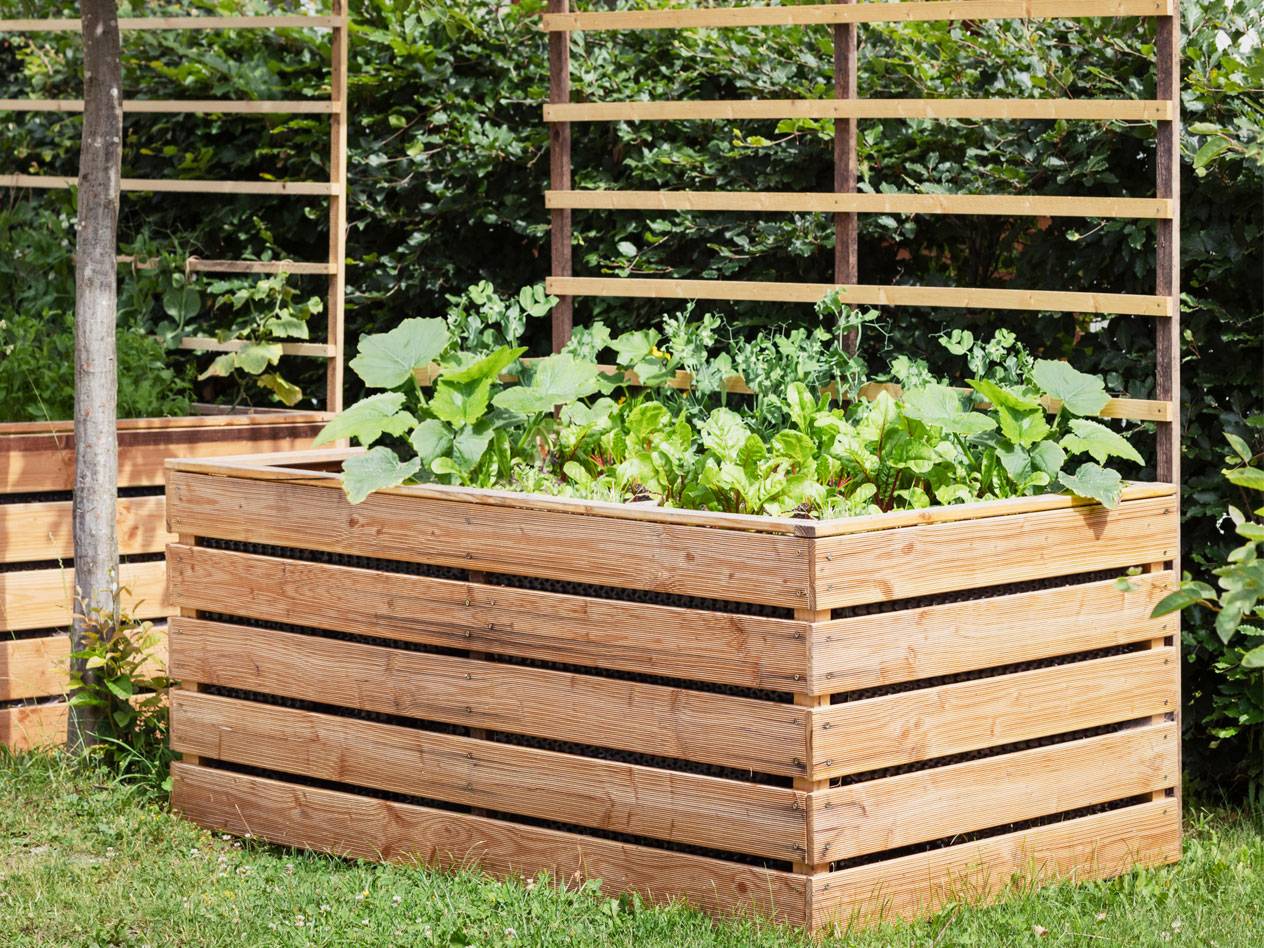
For a fertile raised garden bed, you need more than just simple soil in a wooden box. The different layers provide essential nutrients and warmth. A well-structured raised bed can deliver bountiful harvests and gorgeous blooms for up to five years.
Raised Bed Layers
Depending on what you want to grow, a raised bed consists of three to five layers. For herbs and flowers, three layers are sufficient; for vegetables, five layers are recommended. Each layer serves a different purpose. The height of the layers depends on the overall height of the raised bed. However, they should not be too thin, otherwise the nutrient density will not last long.
How to Build a Raised Garden Bed with Five Layers
Coarse Woody Material
- Aeration, prevention of waterlogging
- Layer height: 10 to 12 inches
Fine Woody Material or Turf Sods
- Barrier function, prevents upper layers from slipping through
- Layer height: 6 to 8 inches
Coarse Compost or Alternatives
- Heat and nutrients through decomposition
- Layer height: 8 inches
Rotted Compost
- Direct nutrient supply
- Layer height: 4 inches
Soil
- Planting layer
- Layer height: Remaining height, at least 8 inches
The layers of compost or alternatives like horse or cow manure are particularly crucial for the success of a raised garden bed. Under no circumstances should this layer be replaced by soil or similar materials. If you only want to plant flowers, you can also fill your raised bed entirely with potting soil – in this case, the compost and barrier layers are not necessary.
Instructions: How Do I Fill a Raised Garden Bed?

Step 1: Installing a vole wire mesh
Before you fill the first real layer into the raised bed, you should attach a vole wire mesh to the bottom. This mesh keeps rodents and other pests away from the soil, roots, and plants.
Step 2: Fill in the wood core layer
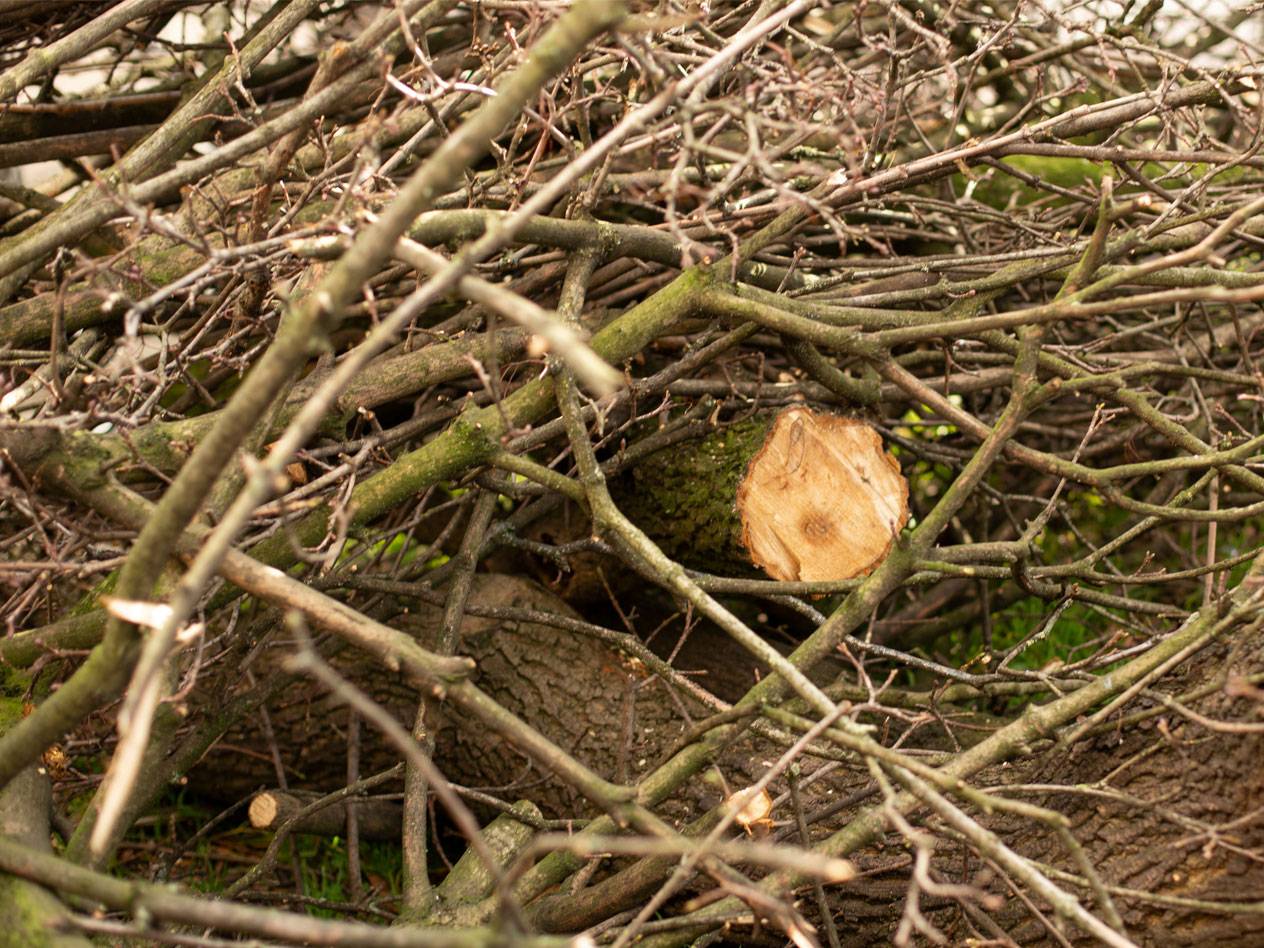
Fill the first layer on top of the vole wire mesh – the so-called wood core layer. This can consist of small branches, shrub waste, and other tree and hedge clippings. This layer must not be compact or solid, as its loose structure has several benefits: it leaves room for beneficial soil organisms, ensures that moisture drains away, and allows for good ventilation of the raised garden bed.
Step 3: Fill in the middle layer
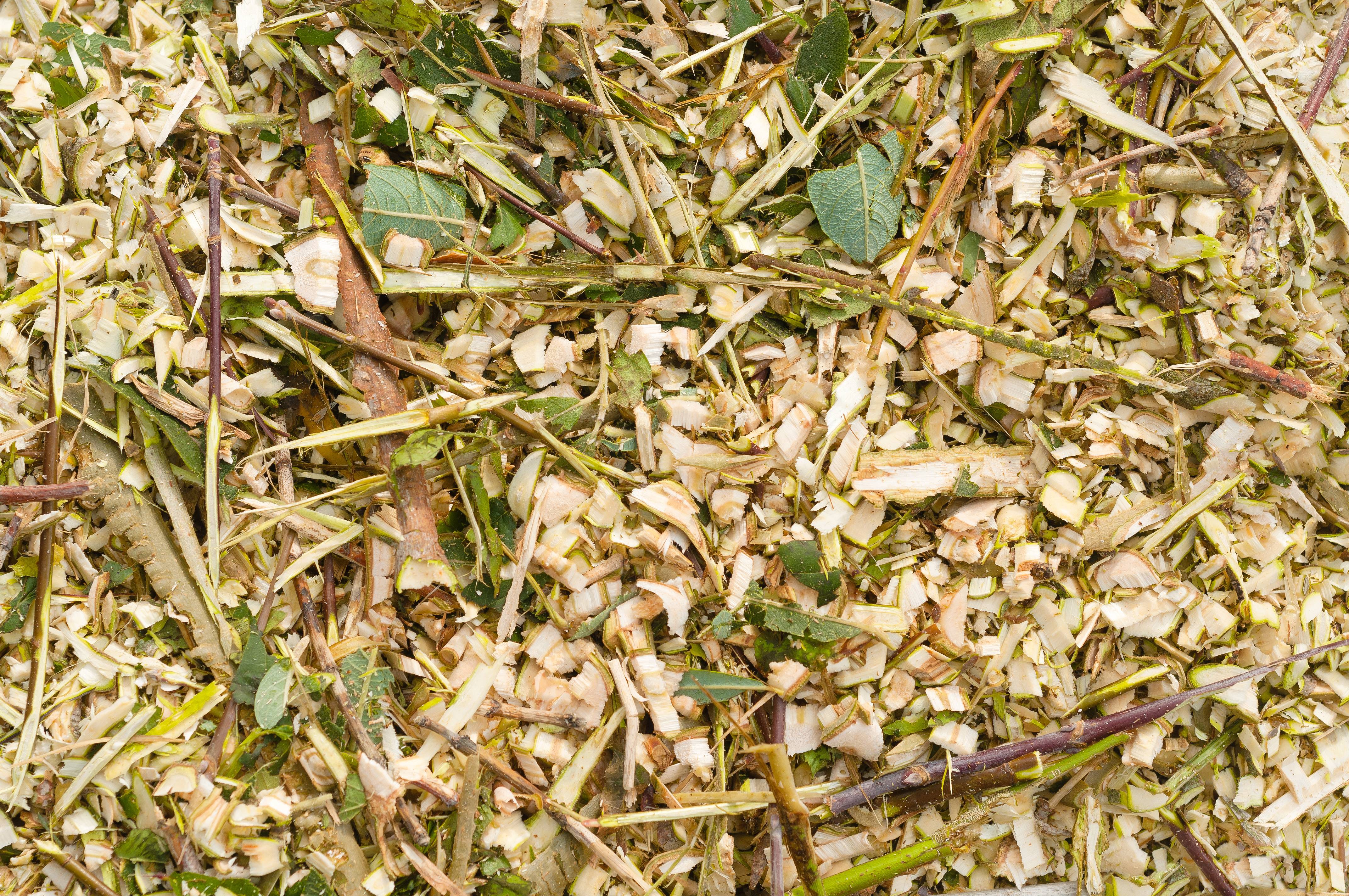
The second layer separates the wood core layer from the initial soil layer. Chopped branches, finely cut hedge trimmings, or shredded perennial remains are ideal for this. Alternatively, you can also use an upside-down piece of turf. This middle layer ensures that the upper layers do not slip through to the bottom.
Step 4: Add the compost
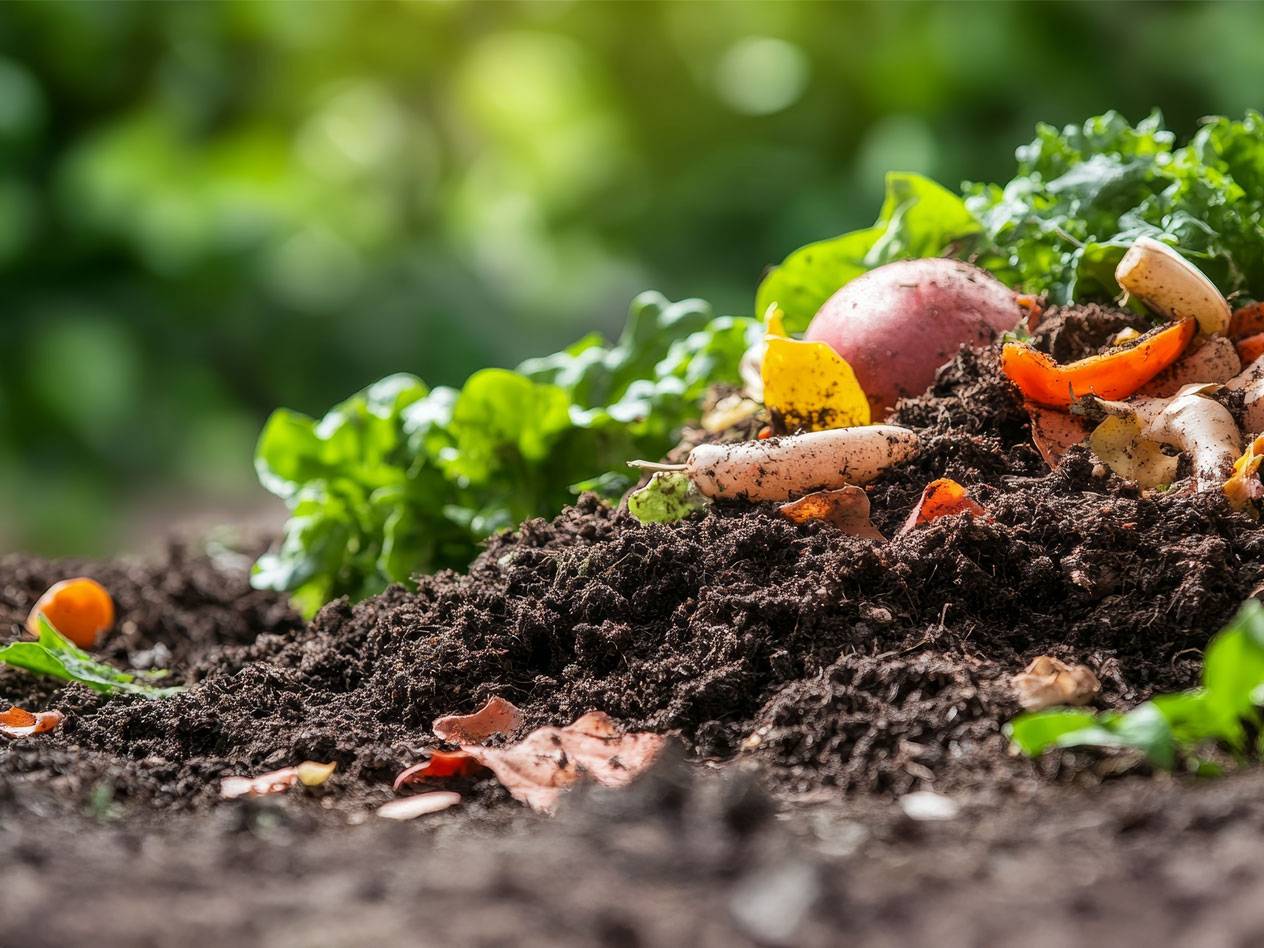
Next, fill in the compost. Getting the right mix is key here. Ideally, you should have both well-rotted compost or manure and coarse, slightly "fresher" compost on hand. This ensures that plenty of nutrients are continuously released into the soil over a longer period. You can either make your own compost or compostable material at home using a composter with your garden waste, or buy it at your local garden center.
Step 5: Fill with soil
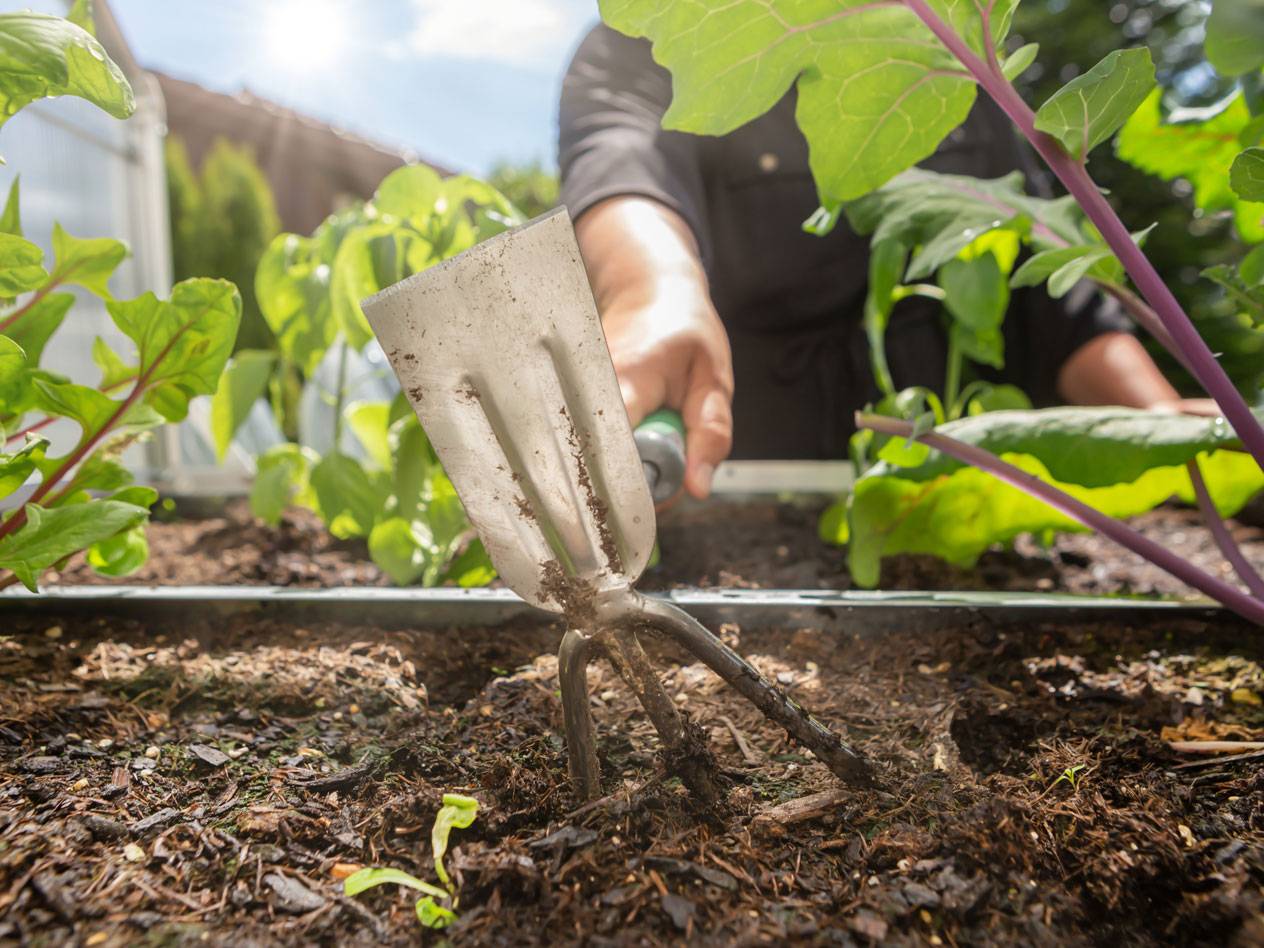
The final layer consists of high-quality soil. You can either use soil from your own garden or purchase it from a garden center. The soil layer shouldn't be too thin, as this is ultimately where you will plant your flowers, herbs, and vegetables.
What can I plant in my raised bed?
Thanks to its high nutrient density, a raised bed is suitable for many different types of plants. Flowers and herbs, as well as various types of vegetables, can thrive in a raised bed. Whether you use pre-grown plants or seeds is a matter of personal preference: seeds offer a wider selection, but require more effort. Pre-grown plants are quick to plant, but are more expensive to purchase. In addition to choosing the right varieties, the planting time and crop rotation also play an important role.
What should I keep in mind when planting my raised bed in the first and second year?
Although the nutrient level in a raised bed is higher than in a standard garden bed, these nutrients are still limited. To get the absolute most out of your raised bed, you should plant heavy feeders during the first year. These are plants that require a particularly high amount of nutrients. In the second and subsequent years, you can transition to medium and light feeders, which will thrive even as the soil's nutrient levels naturally decrease.
Planting a Raised Bed with Flowers
If you only want to plant flowers in your raised bed, you can theoretically skip the layering process and fill the entire bed with potting soil. However, flowers also benefit from the nutrient-rich layered soil.
Planting a Raised Bed with Herbs
Herbs are not particularly nutrient-hungry, so there are no heavy feeders among them. This means medium and light feeders can be placed in the raised bed from the very beginning without any concerns and can be mixed with vegetables.
Planting a Raised Bed with Vegetables
When planting vegetables in a raised bed, it is especially important to ensure a good companion planting mix. Different plants have different needs and can complement each other well. Companion planting charts show which varieties get along particularly well. As a general rule: the more closely related plants are, the less suitable they are for companion planting.
Raised Bed Calendar: What Do I Plant and When?
When it comes to vegetables, timing is everything to ensure a bountiful harvest in the end.
- March: Radishes, arugula, leaf lettuce, spinach, daikon radish, parsley
- April: Green onions, onions, leeks
- May: Starter plants like zucchini, bell peppers, and chili peppers
- June/July: Broccoli, kohlrabi, carrots
- August: Radicchio, endive
- September/October: Celery, parsley, arugula
- December: Endive, Swiss chard, spinach

Instructions: How do I plant a raised bed?
Planting a raised bed is very easy if you follow a few basic rules. The easiest way is to start by planting flowers.
Step 1: Get an overview
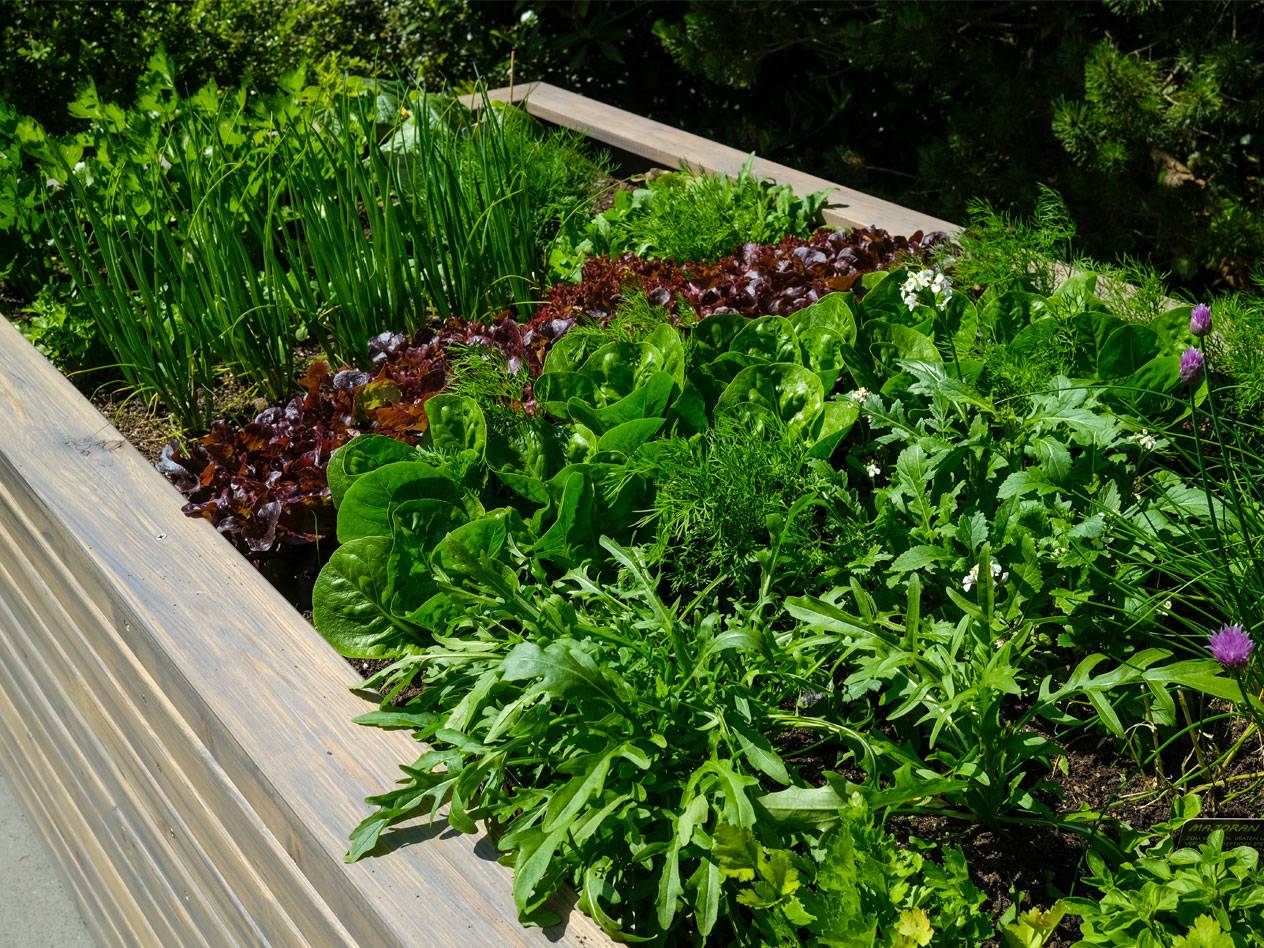
Get an overview of the flowers you have available and make a plan – either just in your head or actually on paper. Think about where you want to plant which flowers. For example, it is best to plant tall flowers like sunflowers in the middle of the bed, while small flowers and hanging plants do well around the edges. To ensure your raised bed always shines in full glory, make sure that the flowers you plant bloom at the same time.
Step 2: Planting
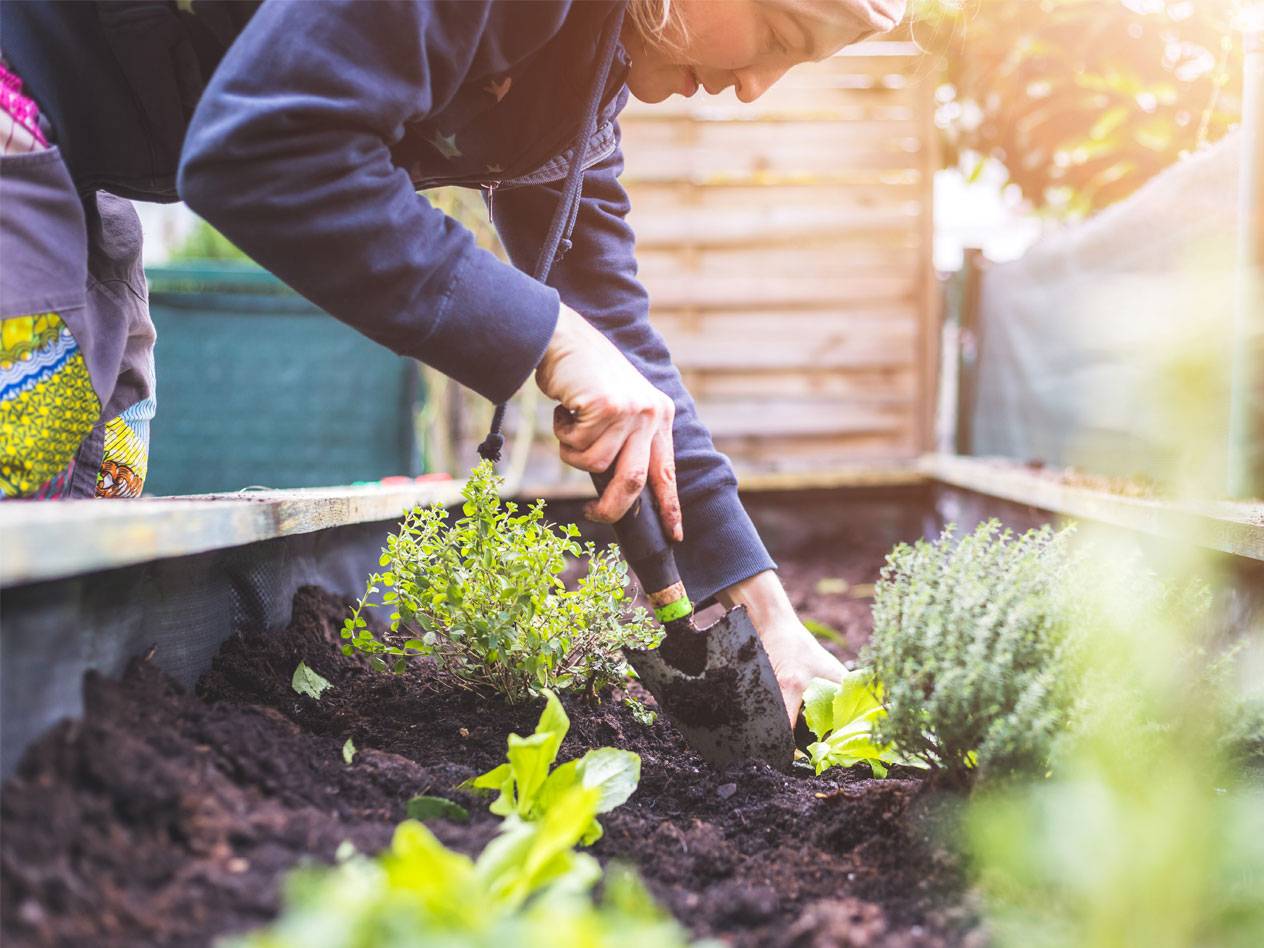
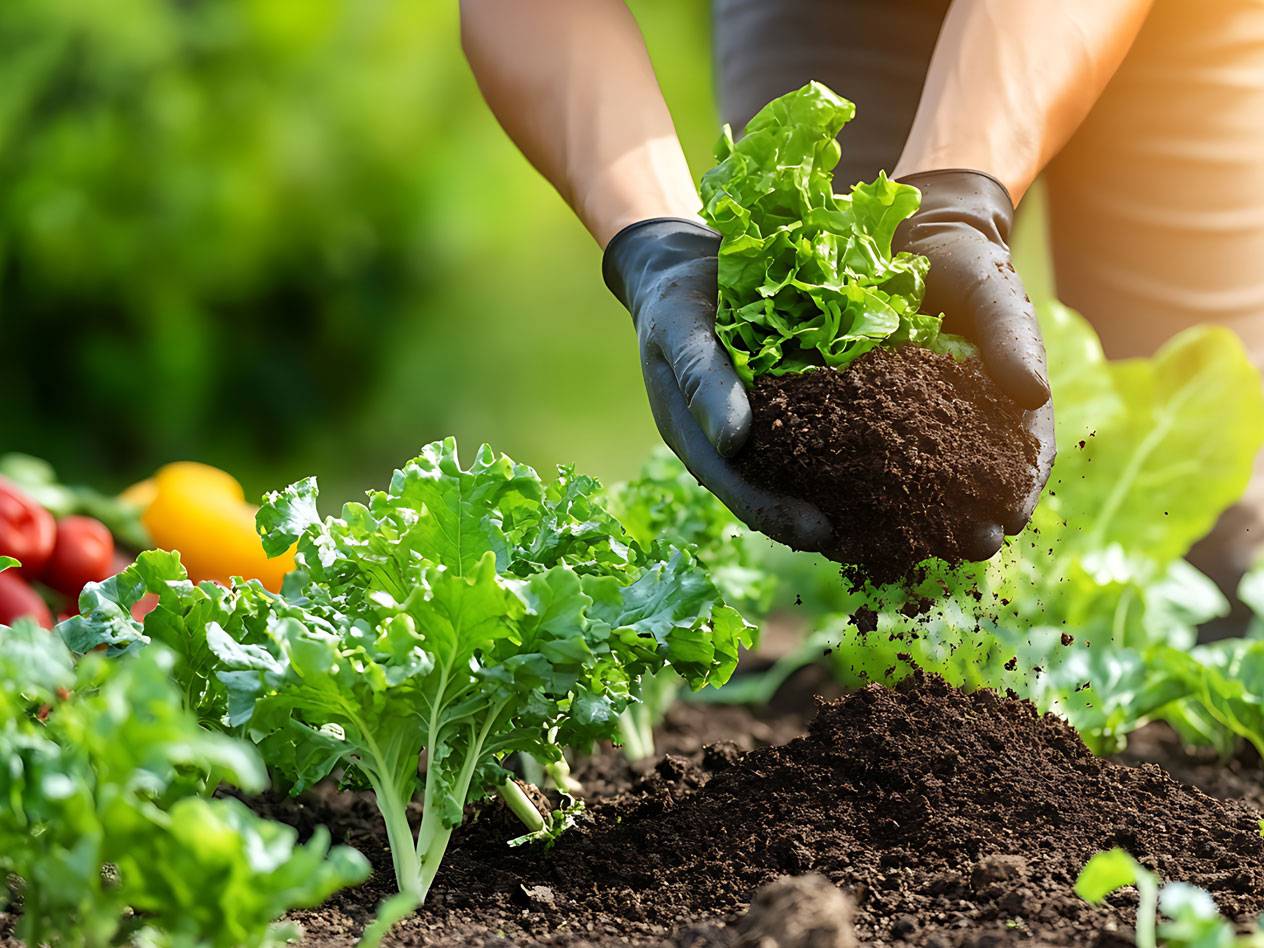
Once you have decided which flower should grow where, you can start planting. If you are using seeds, loosen the soil with a small hand rake, scatter the seeds on the ground, and press them down gently. You must keep the soil consistently moist after this. You can always find detailed sowing instructions on the respective packaging. If you want to plant store-bought or home-grown plants, make small holes in the soil with your hand or a trowel, place the plant inside, and carefully fill the hole back up.
Questions and Answers
A raised bed can be placed in both sunny spots and in the shade. The prevailing light conditions will affect your planting: if you plant sunflowers in a shady area, you won't get much joy out of your raised bed. The choice of ground surface, however, doesn't matter. This makes raised beds ideal for successfully planting even in corners with damp spots or heavy clay soils.
To make your raised bed winterproof, first harvest all plants that are not frost-resistant. Then, loosen the soil layer with a small hand cultivator and cover it with hay. Finally, cover the bed with roofing felt or dark plastic sheeting. If you don't want to give up gardening in the winter, you can transform your raised bed into a mini greenhouse using a polytunnel. This allows you to grow winter-hardy crops like leeks, winter spinach, or parsnips during the cold season.
For a simple flower raised bed, standard potting soil is perfectly fine. However, if you plan to grow and harvest your own vegetables, you will want something a bit richer. Your own garden can be a great source of soil. If that is not an option for you, specialty retailers offer a wide selection of soil types. Classic garden soil enriched with organic fertilizer works just as well as specialized raised bed soil, which many suppliers carry in their range.