Planting Your Garden: What You Need to Know
Properly planting and caring for garden plants takes a bit of work. However, if the basic conditions are right and certain tasks are carried out regularly, nothing stands in the way of a colorful, healthy garden.
Contents
The Basic Requirements
Before you start planting and caring for your garden plants, you need to determine the conditions in your garden. Every plant has different requirements regarding soil, light, and climate. The choice of garden tools and equipment is also a factor that influences how you plant your garden.
Soil
What is generally referred to as dirt actually includes many different types of soil. Soil differs in its composition, nutrient density, and pH level. The right soil is crucial for plants to grow well: it gives their roots a firm hold and supplies them with all the necessary nutrients.
Soil can be roughly divided into three categories:
Sandy soil is light and water-permeable. It dries out quickly and does not retain nutrients well. It is unsuitable for particularly thirsty plants and heavy feeders.
Loamy soil is considered the ideal garden soil. It retains water and nutrients well while not being too water-permeable.
Clay soil has an even higher water and nutrient retention potential. However, it is usually so dense and heavy that the risk of waterlogging is increased.
Another indicator of soil quality is its pH level. It can easily be measured with a simple test kit from a garden center. A pH level of 0 indicates extremely acidic soil, while high pH levels represent alkaline soils.
Acidic soils usually contain a lot of humus and therefore nutrients. However, the lime content is rather low.
Alkaline soils contain more lime.
Determining the pH level can therefore show whether a soil needs additional lime. Too much lime prevents nutrient absorption. For most plants, a pH level between 6 and 7 is ideal.
Any soil can be improved by adding appropriate substances such as lime, sand, or compost. Specialty soil mixes tailored to the exact needs of specific plants, such as roses or tomatoes, are also widely available.
Garden Tools
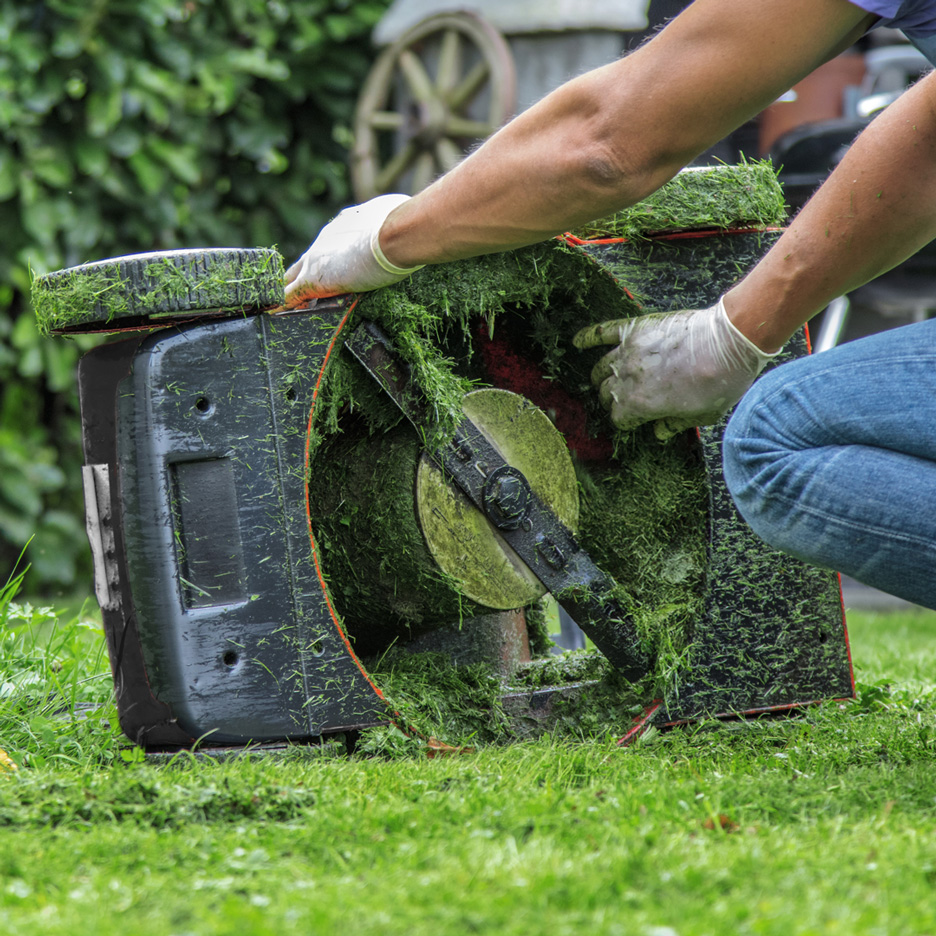
The right garden tools and equipment make planting and maintaining your garden much easier. If you want to purchase larger equipment like lawnmowers, hedge trimmers, or chainsaws, you should consider beforehand where they can be stored. In large gardens, a tool shed or garden house can be very useful.
For gardens where you mainly plan to plant flower beds and smaller shrubs, a basic set of tools is sufficient. Pruning shears, a hand trowel, a rake, and a watering can are enough for the basic tasks.
Climate
Temperature and moisture determine which plants can grow in the garden and when. The right soil temperature is crucial, especially for sowing seeds or transplanting young plants. Many young plants cannot tolerate frost, and their delicate roots will die off immediately. After the last spring frost, usually around mid-May, frost is no longer expected, so most plant species can be planted in the ground by then at the latest.
In a greenhouse, temperatures are consistently higher, so sowing, germination, and harvest times are often earlier or shorter than indicated in the planting calendar.
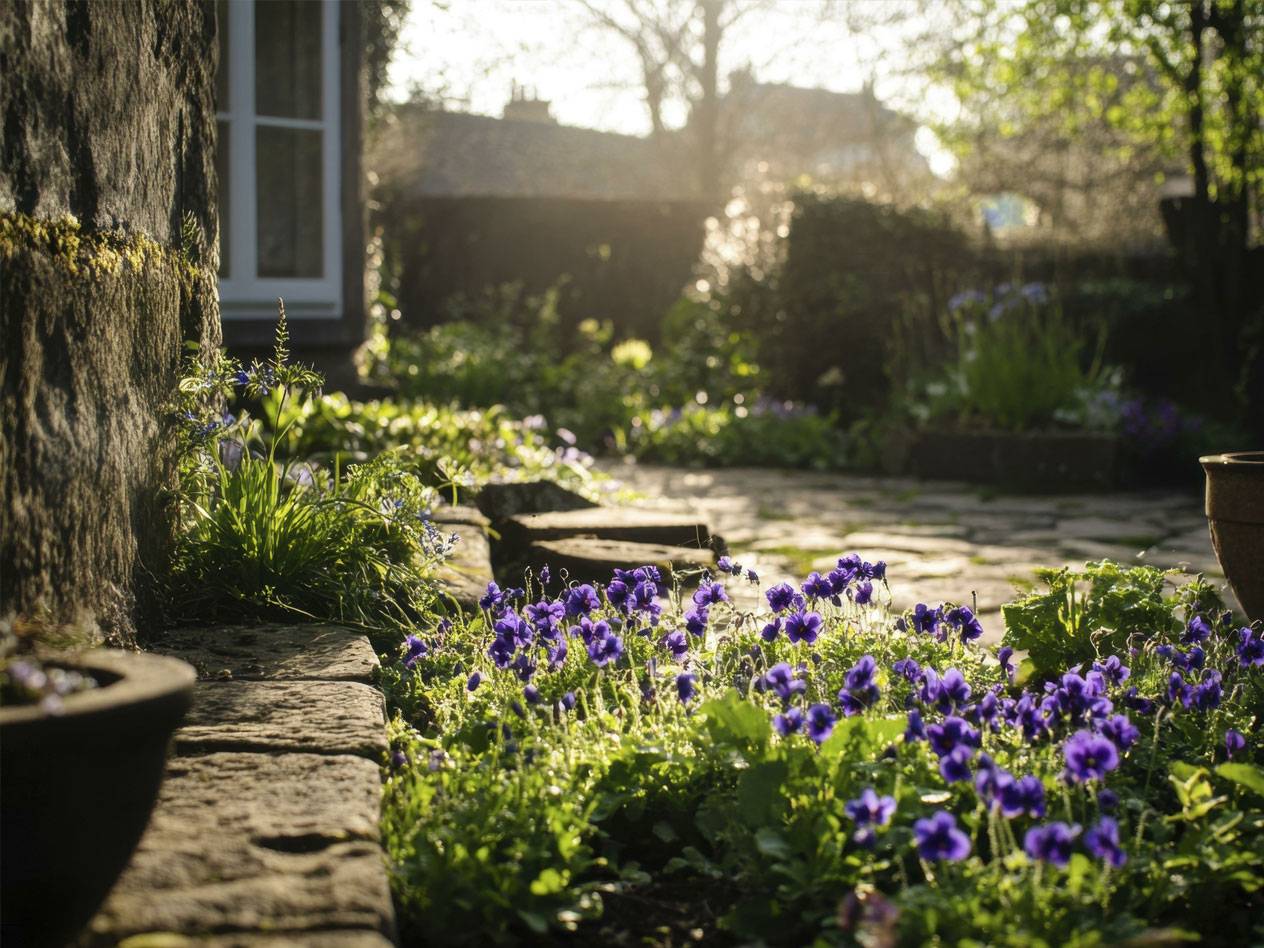
Broadly speaking, locations for garden plants can be divided into three categories: sunny, partial shade, and shade. Different species require different amounts of sunlight for healthy growth. A tomato plant will not bear plump fruit in a shady environment, while cabbage and lettuce thrive even without much sun.
When planning your garden, you should therefore pay attention to how the light conditions change throughout the day and which trees or shrubs will cast larger shadows in the near future as they grow.
Plant Protection
To protect your garden plants from pests, weeds, and diseases, various measures can be taken. Preventive actions include, for example, cleverly planned companion planting, respecting crop rotation, and regular soil cultivation. Proper care is also crucial: for instance, damp leaves on tomato and strawberry plants are more susceptible to diseases and fungi. Therefore, they should never be watered from above, but always directly at the root ball. If it is already too late for preventive measures, direct actions such as applying plant protection products, setting up pest traps, or removing weeds can help limit the damage.
Tasks for Caring for Garden Plants
Once the perfect planting conditions are created, the real gardening work can begin. Depending on the plant variety, season, and your personal preferences, various tasks will arise.
Young plants grown indoors or in a greenhouse should not be moved outdoors abruptly. Too much sun as well as temperatures that are too low would be too much of a shock – the plant would not survive. That is why seedlings must be hardened off slowly.
Hardening Off
Instead of planting tomato seedlings directly into a sunny vegetable bed, for example, place the pots with the young plants in a semi-shaded, sheltered spot first so they can slowly acclimate. In case of overnight frost, the pots and planters should be brought back inside.
Growing Cuttings
Some plants do not reproduce by dispersing their seeds. Instead, they form runners or offshoots that can be separated from the parent plant to grow as independent plants. To grow cuttings, cut a so-called cutting and plant it in a container with potting soil. After about two weeks, the cutting can be repotted or planted outdoors. Plants that can be propagated quickly and easily via cuttings include:
- Blackberries
- Cucumbers
- Raspberries
- Elderberry
- Butterhead and field lettuce
- Lavender
- Bell peppers
- Roses
- Spinach
- Thyme
- Tomatoes
Fertilizing
Over time, garden plants deplete the soil of its existing nutrients. That is why even the most nutrient-rich soil needs to be fertilized regularly – especially if heavy feeders, meaning plants with high nutrient requirements, have been planted in it. Whether you choose to use synthetic mineral fertilizers or organic fertilizers like compost or manure is a matter of personal preference and specific nutrient needs. Mineral fertilizers are available as complete fertilizers, which contain all essential nutrients and trace elements, as well as single-nutrient fertilizers, which add only specific elements.
Watering
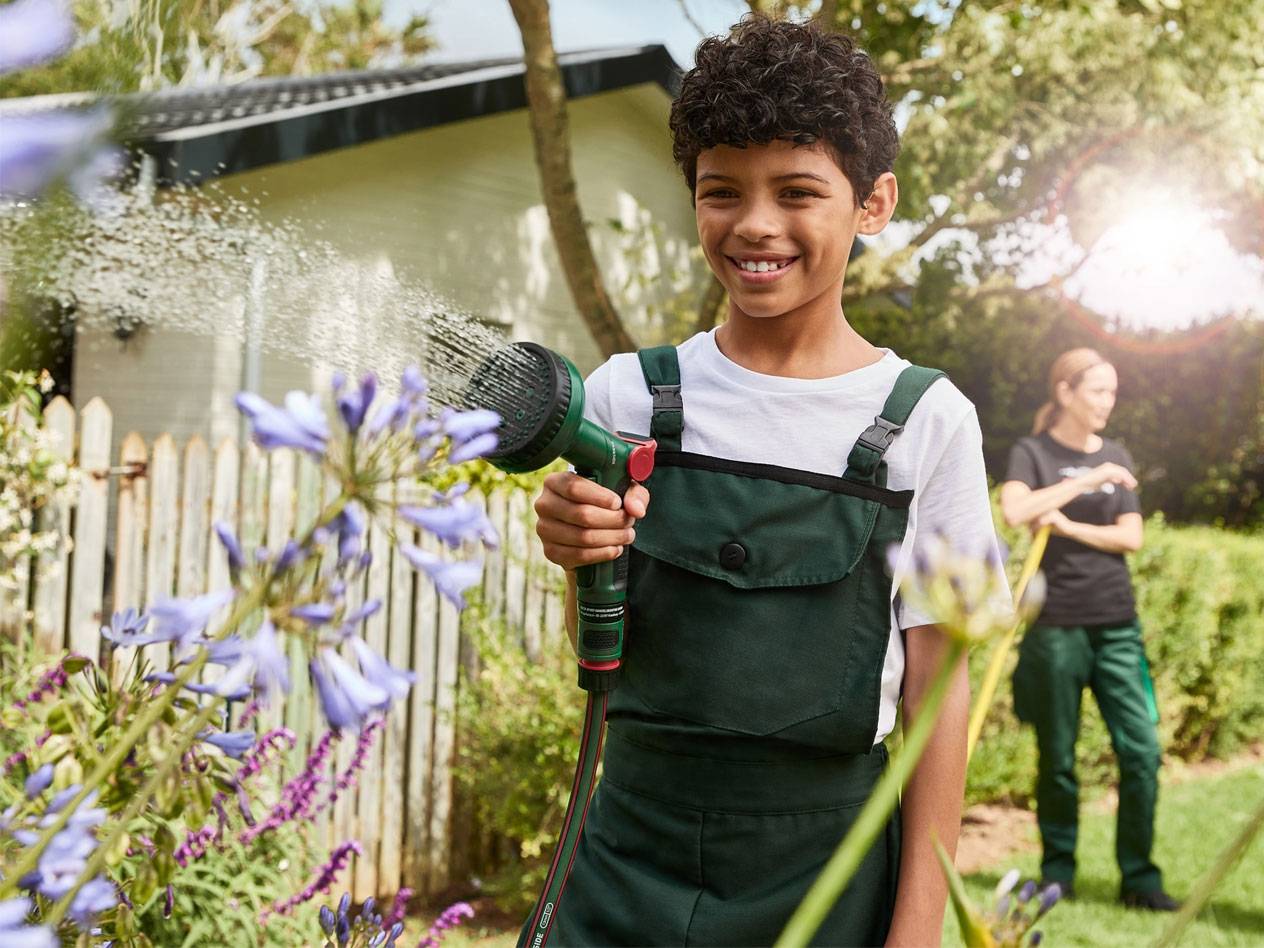
Watering your garden is especially important during the summer. As a general rule, watering early in the morning is highly recommended: the water evaporates more slowly due to the cooler temperatures, and at the same time, the risk of leaf burn is reduced. Whether you use a watering can, a garden hose, or another system depends entirely on the size of the area you need to water and the type of plants.
Watering plants while on vacation
If you don't have neighbors to look after your garden while you're away, an automatic irrigation system is a great solution. Water timers or irrigation controllers can be connected to sprinklers or drip hoses, ensuring your garden is watered fully automatically at your scheduled times.
Pricking Out
If you start your seedlings indoors or in a greenhouse before moving them to a garden bed or planter, you will need to prick them out. Pricking out involves separating the crowded seedlings from the seed tray and planting them individually into pots. This is essential to give the delicate plants room to grow stronger and prepare them for final transplanting. A dibber or a pricking-out fork is a handy tool for this task.
Pruning
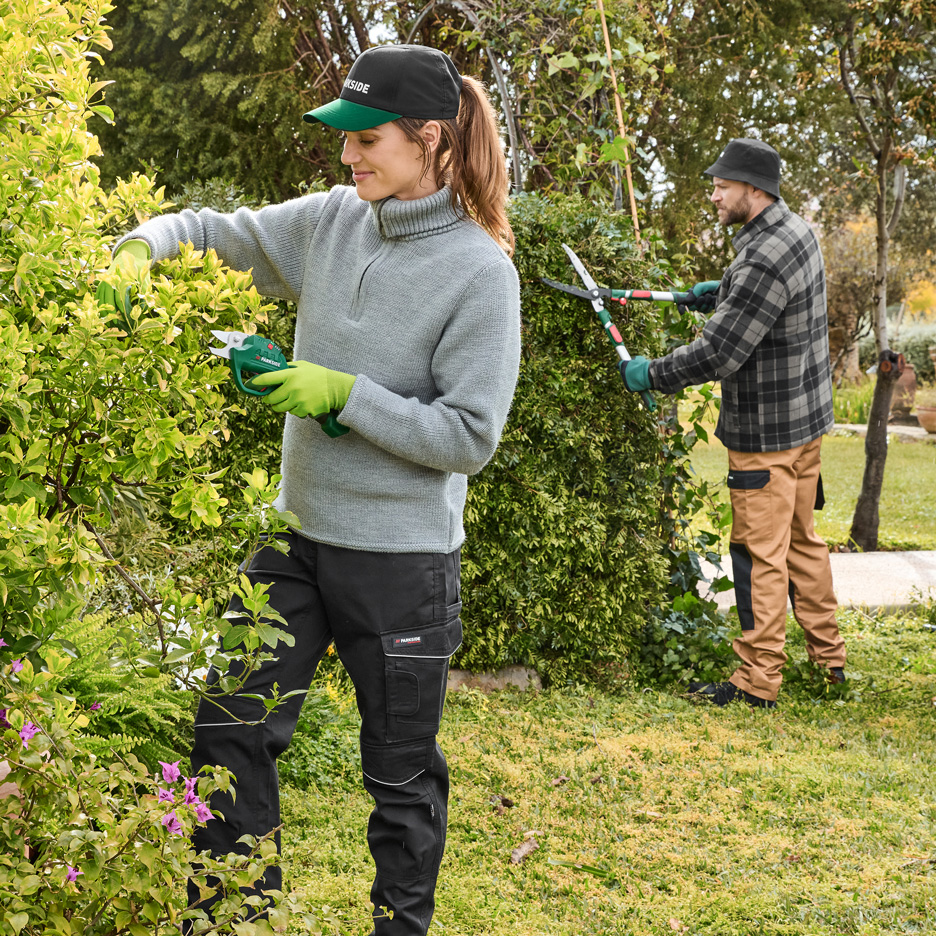
Trees, hedges, and shrubs need regular pruning to stay in shape, grow healthily, and—in the case of fruit trees and bushes—produce a great harvest. A pruning calendar can help you decide when to prune each type of plant. For example, while apple trees should be pruned in the winter, spring is the perfect time to prune roses.
Planting and Sowing
When transplanting young seedlings and sowing seeds, timing is everything. If you plant or sow too early, the young shoots may die from frost or a lack of sunlight. If you plant and sow too late, you won't give the plants enough time to fully mature. This results in underdeveloped blooms and a poor or non-existent harvest. Checking a planting calendar will help you find the perfect time for sowing and planting.
Plant Supports
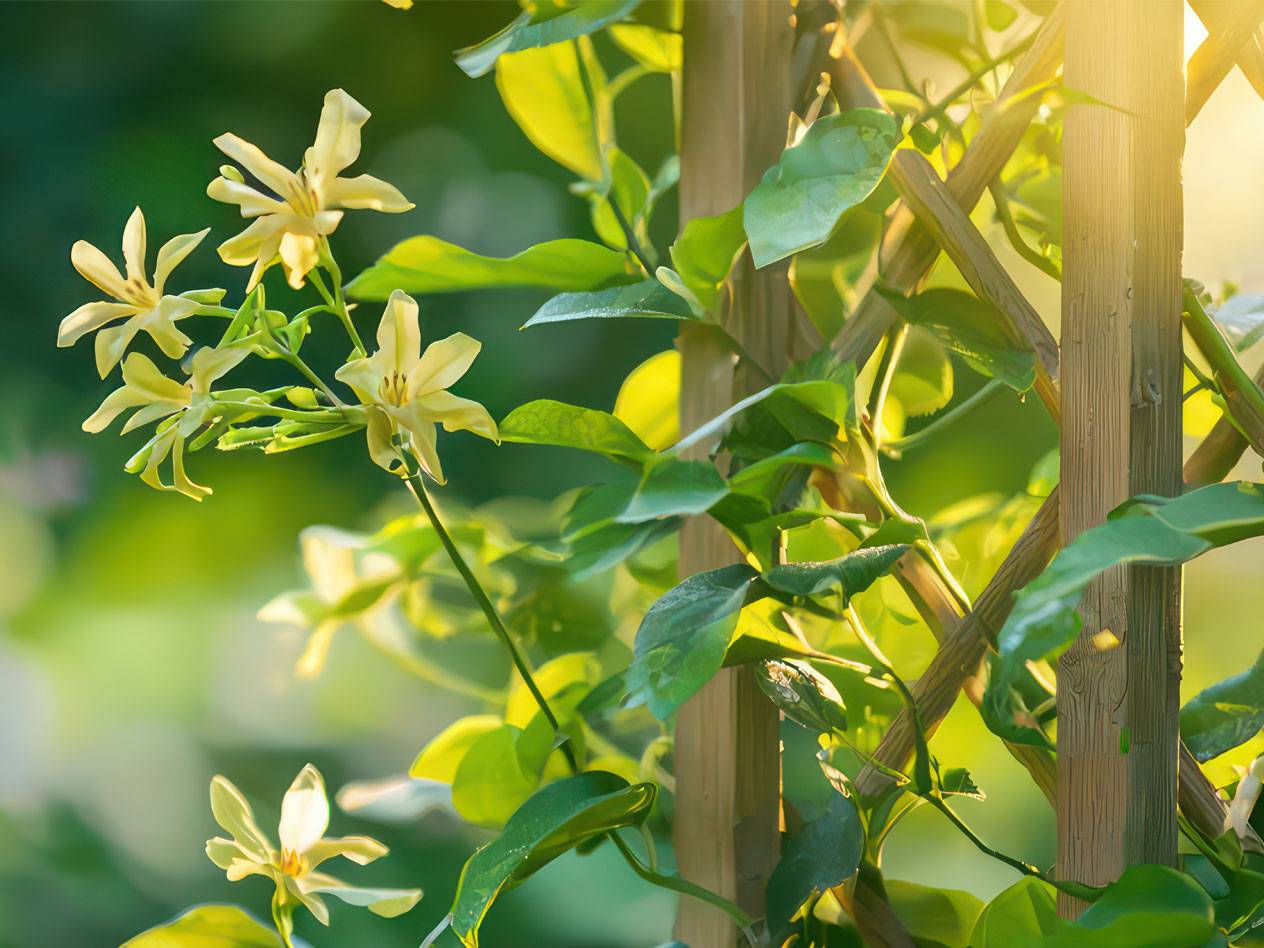
Plants with weak stems and those that grow particularly tall need a support or trellis to prevent them from bending or breaking under their own weight. This includes tomatoes, raspberries, or hydrangeas, for example. Simply insert the supports into the ground and secure the young plants using twine or ties. Important: The ties must not restrict growth or cut into the stem. You can use ready-made trellises made of various rods or homemade structures made of wood, metal, or plastic as supports.
Overwintering
To ensure that perennial plants survive the cold season and bloom again next season, they must be overwintered correctly. Exotic plants that originally come from warmer regions must be brought indoors, as they will not survive the low temperatures. This includes lemon trees and oleander, for example. Other plants are less sensitive. For roses, it is sufficient to wrap the plants in burlap or jute bags. Rhododendron even gets through the winter completely without any cover. Tuberous plants such as dahlias and amaryllis are ideally dug up and the tubers stored in a cool, dry place indoors.
Transplanting
Potted and container plants must be repotted regularly so that they can continue to grow. If the pot is too small or the nutrients in the soil are depleted, it is time to repot. The ideal new pot is 2 to 5 cm larger than its predecessor. How often you need to repot depends on the type of plant and its condition. However, repotting is not necessary more than once a year for any variety.
Grafting
Grafting plants is about combining the advantages of two plants to create a hybrid of two of the same species (for example, apple tree and apple tree) or two related species (for example, apple tree and pear tree). However, grafting does not breed new species. Fruit trees, tomatoes, and roses are particularly suitable for grafting. To do this, a branch or bud from one plant is attached to the trunk or branch of the other plant. For example, a cherry tree with weak roots can be improved by grafting it with a cherry tree with strong roots.
Breeding
In contrast to grafting, breeding involves the deliberate selection and crossing of two individual plants (parent generation) with the aim of creating a genetically improved version and subsequently propagating it (daughter generation). The simplest type of breeding is selection breeding, where plants with the desired characteristics are simply allowed to continue growing and reproduce naturally, while plants with undesirable characteristics are removed.
Planting Bulbs
Many popular flowers are not sown from seed, but are planted in the garden in the form of bulbs. The right time to plant the bulbs depends on the variety of flower. Hardy bulbs that are meant to bloom in spring are planted in the fall. Cold-sensitive varieties should not be planted until spring. Hardy varieties include crocuses, tulips, and daffodils, for example. For begonias, dahlias, and gladioli, you should wait until the end of March before planting.