Strengthen Your Core – How to Train Your Core Muscles the Right Way
A strong core is much more than just an aesthetic nice-to-have. It is the foundation for healthy posture, protects against back pain, and even improves your performance – in sports as well as in everyday activities like standing, walking, or sitting. Read on to find out why your core is so important, which exercises really work, and how you can strengthen your midsection in the long term with simple tips.
Why is your core musculature so important?
Your core consists of your abdominal, back, pelvic floor, and deep abdominal muscles, as well as your hip flexors and extensors. These muscles form the center or "core" from which a wide variety of movements originate. These core muscles work together as a team to stabilize your spine, coordinate movements efficiently, and keep your posture upright.
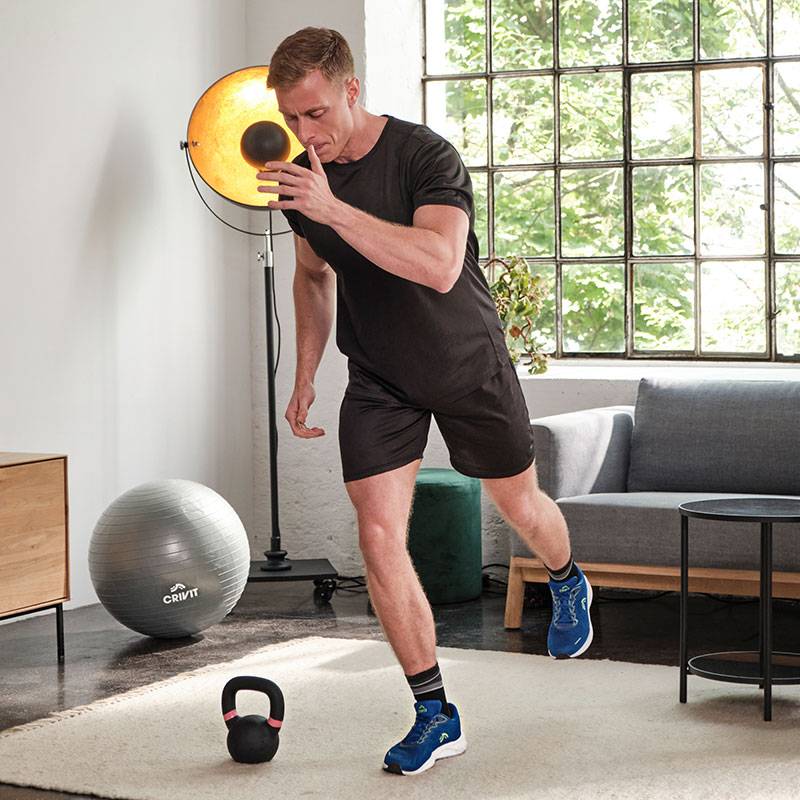
The most important functions of your core muscles:
- Stability: They keep your body balanced during everyday movements like sitting, lifting, or twisting.
- Protection: A strong core protects your spine and helps prevent back pain.
- Power transfer: Whether running, lifting, or doing yoga – your core is the link between your upper and lower body.
- Posture: A well-trained core helps you stand tall and corrects poor posture.
Many underestimate the importance of the deep abdominal muscles. These are precisely the ones that ensure a stable core and help with back discomfort. Instead of training the abs in isolation, the focus should be on functional exercises.
Consequences of a weak core
The core is often underestimated – yet your core muscles are essential for almost everything and are perhaps the most important tool for preventing back pain, which so many people suffer from. However, most people only start thinking about their core muscles when discomfort arises. The fact that these issues stem from a weak core is often not immediately noticeable, as the symptoms tend to be quite subtle. Consequences of a weak core can manifest through the following complaints, among others:
- Frequent tension in the lower back
- Poor posture (e.g., swayback, rounded back)
- Pain when sitting or standing for long periods
- Limited mobility and an unstable feeling during sports
- Frequent twisting of ankles or poor balance
By the way, the core muscles are important for all movements and sports because the spine – depending on the section – is indeed mobile, but shouldn't necessarily move along with everything. "Incorrect" movements, such as when lifting heavy groceries, can damage structures like your intervertebral discs in the long run without stabilizing core muscles. Fortunately, you can counteract this with the right training.
How to train your core: The best exercises
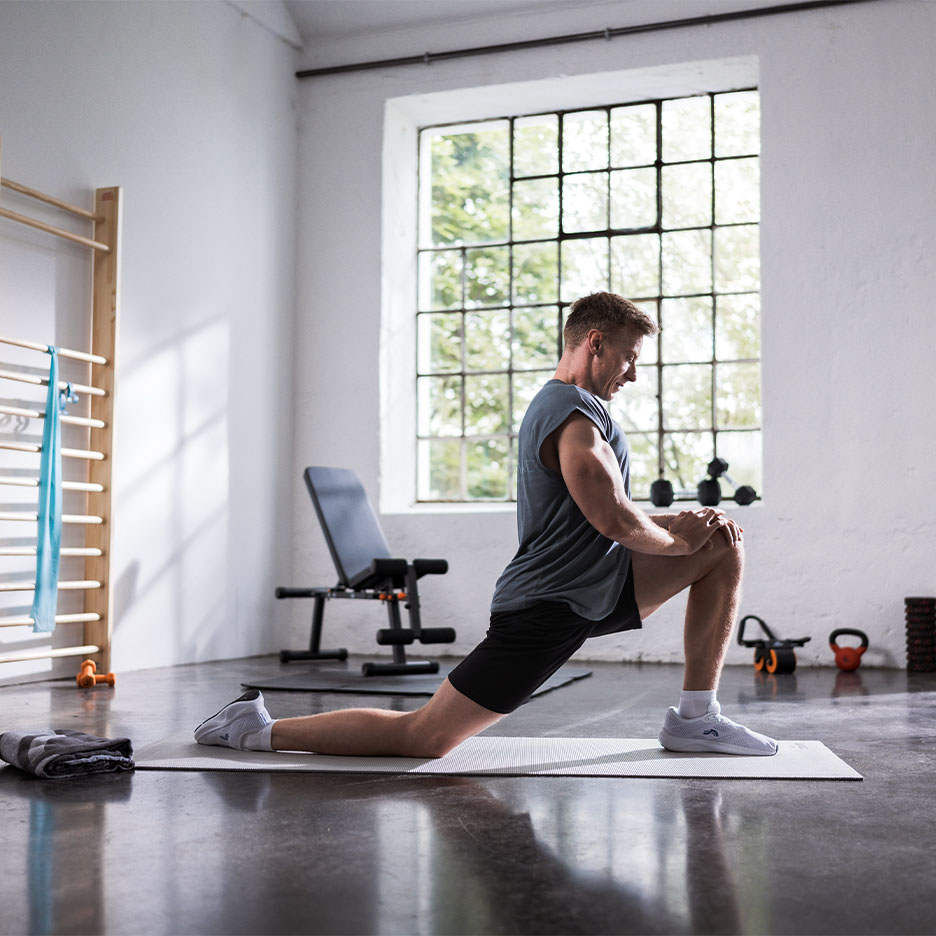
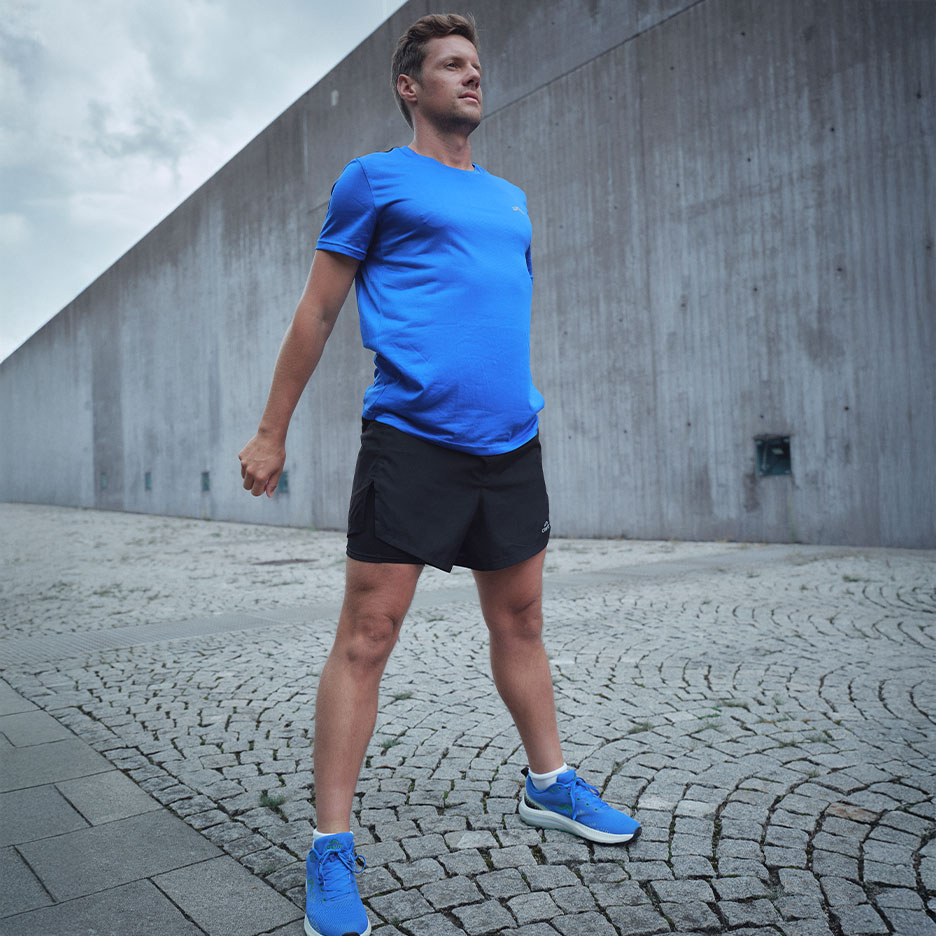
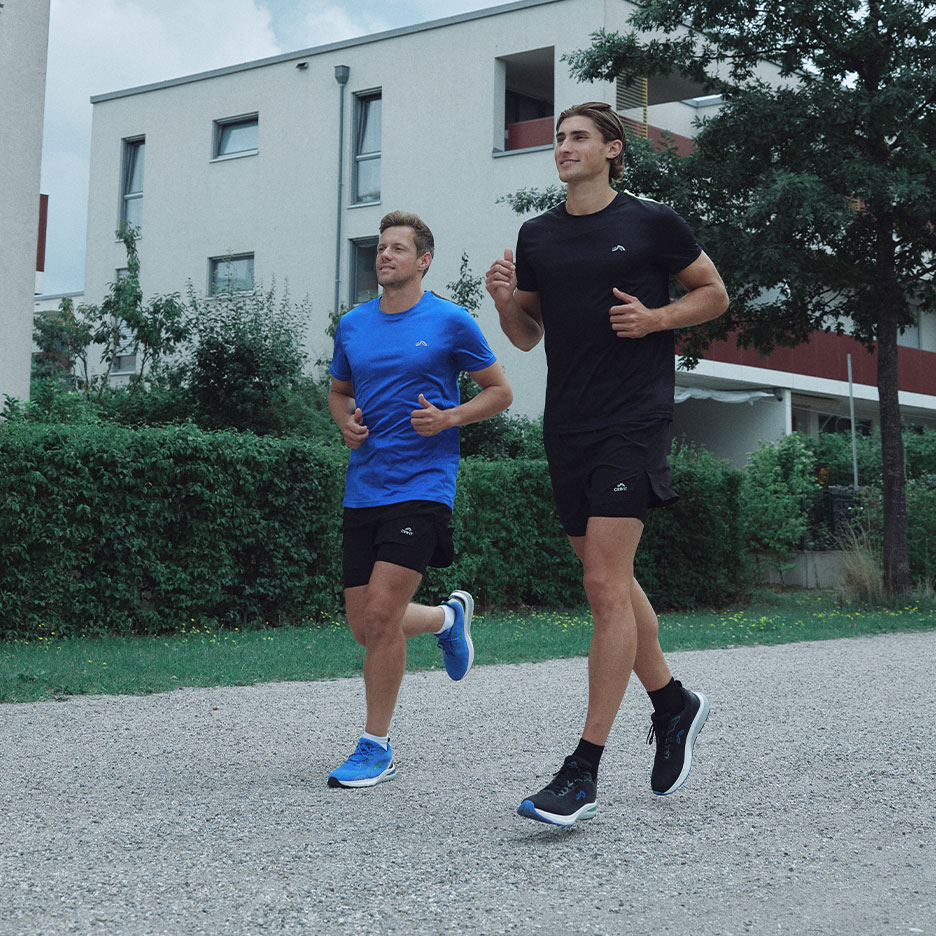
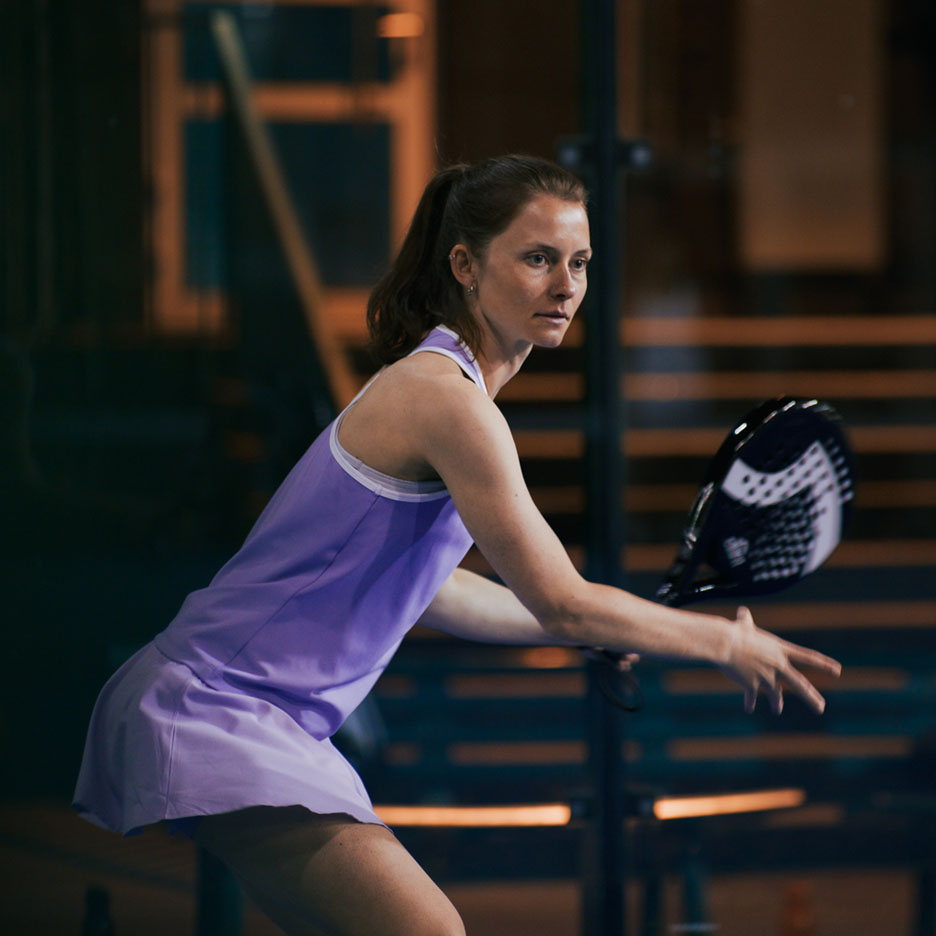
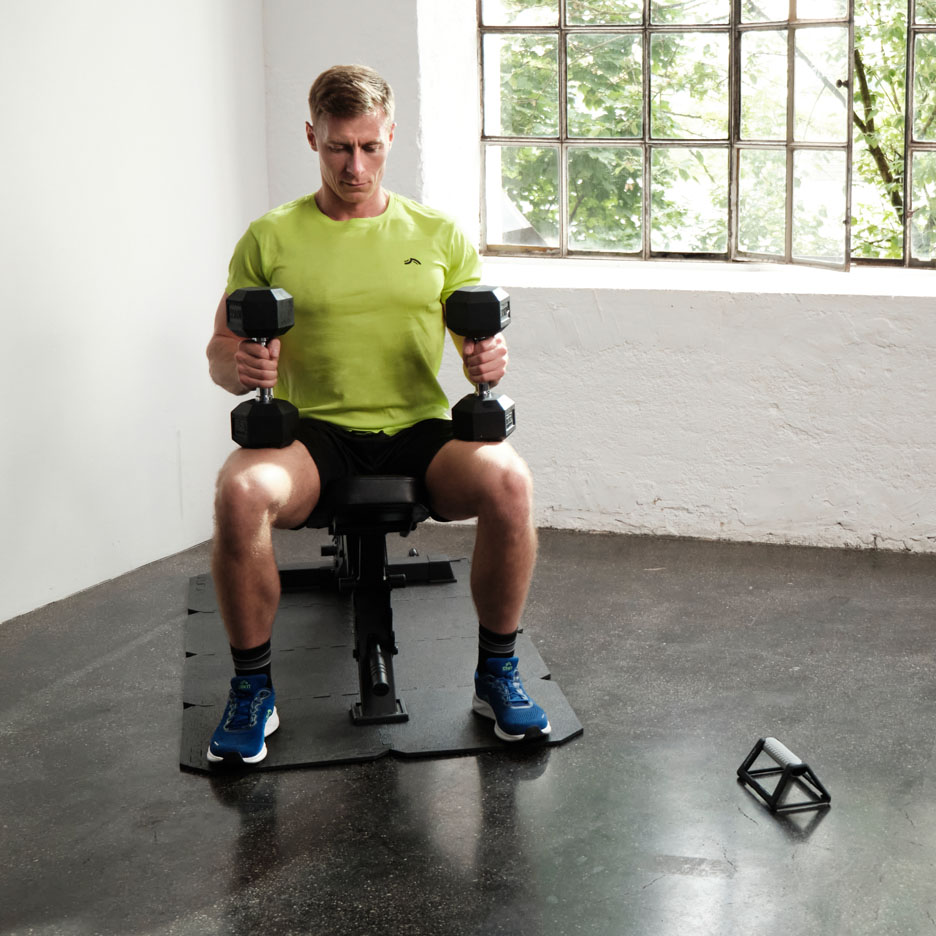
An effective core workout doesn't have to be complicated. "The important thing is that you train regularly – ideally with functional movements that target multiple muscle groups at the same time," say our fitness experts Tobi and Anais. They integrate small functional exercises into their own daily routines to target and train their core muscles. These are their favorite exercises:
1. Simple Balance Exercise
“Stand on one leg, pulling the other slightly toward you,” explains personal trainer Tobi, for whom this exercise is the perfect foundation for daily core training. His tip: “Activate your toes, like a gripping reflex – this helps with stabilization.”
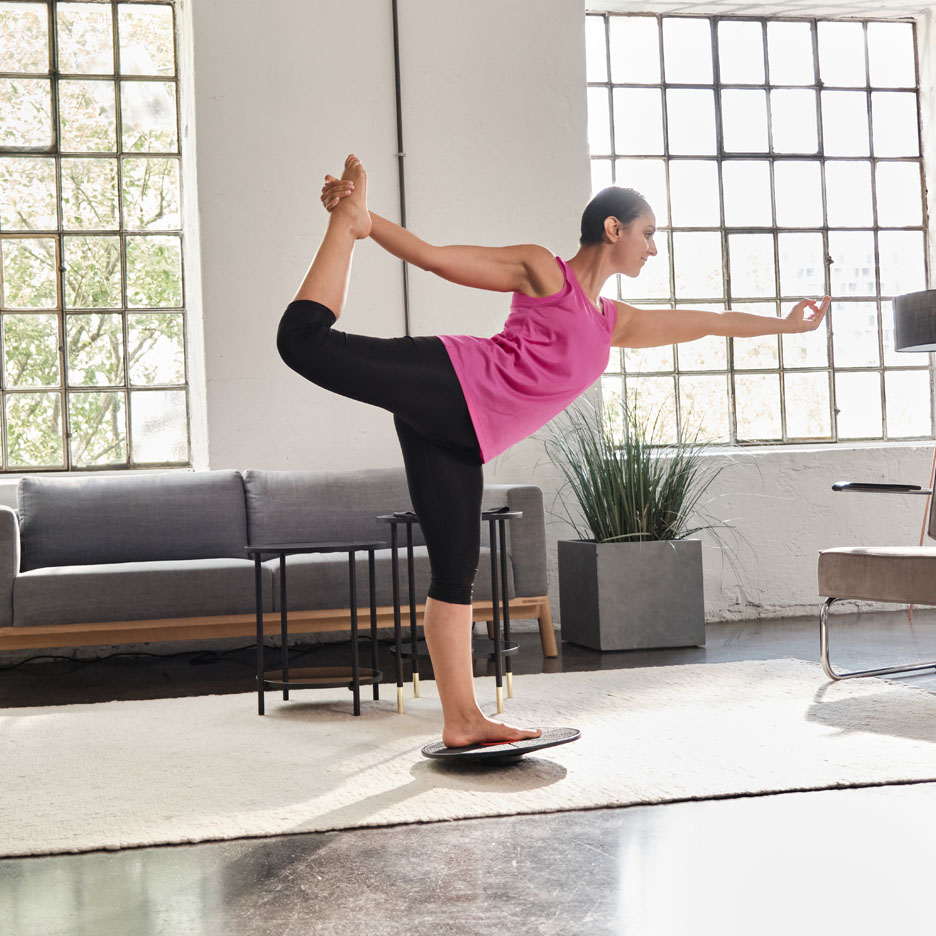
2. Balance Board Exercise
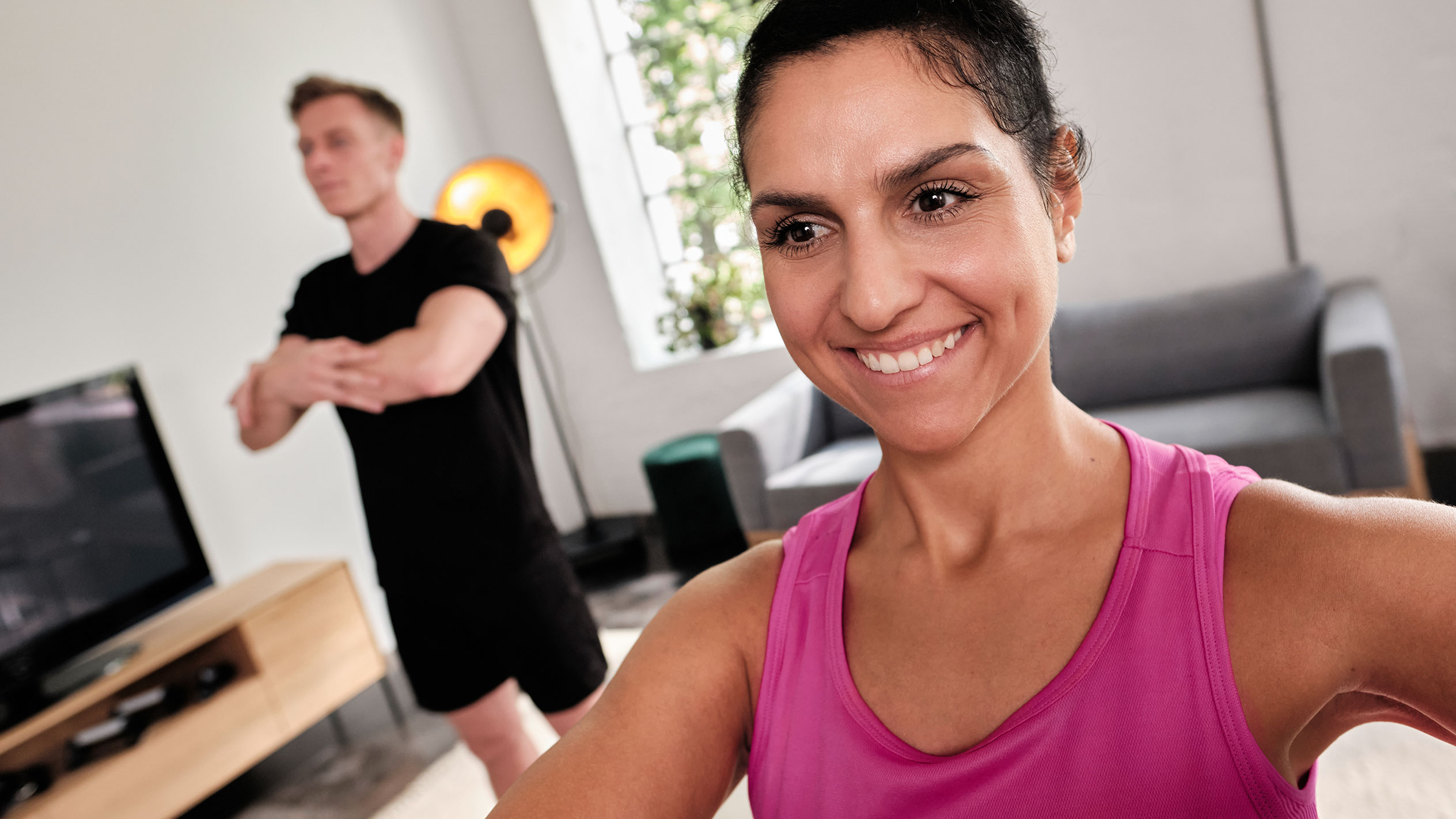
If you want to challenge yourself a bit, try it on a balance board – just like Anais: “I use the balance board almost every day. You simply stand on it with your knees slightly bent. Keep your gaze forward, not on the floor.” To make it work, the fitness trainer recommends: “Crucially, build tension in your abs and breathe evenly. Start with 2 sets of 30 seconds. You will immediately feel yourself becoming more stable.”
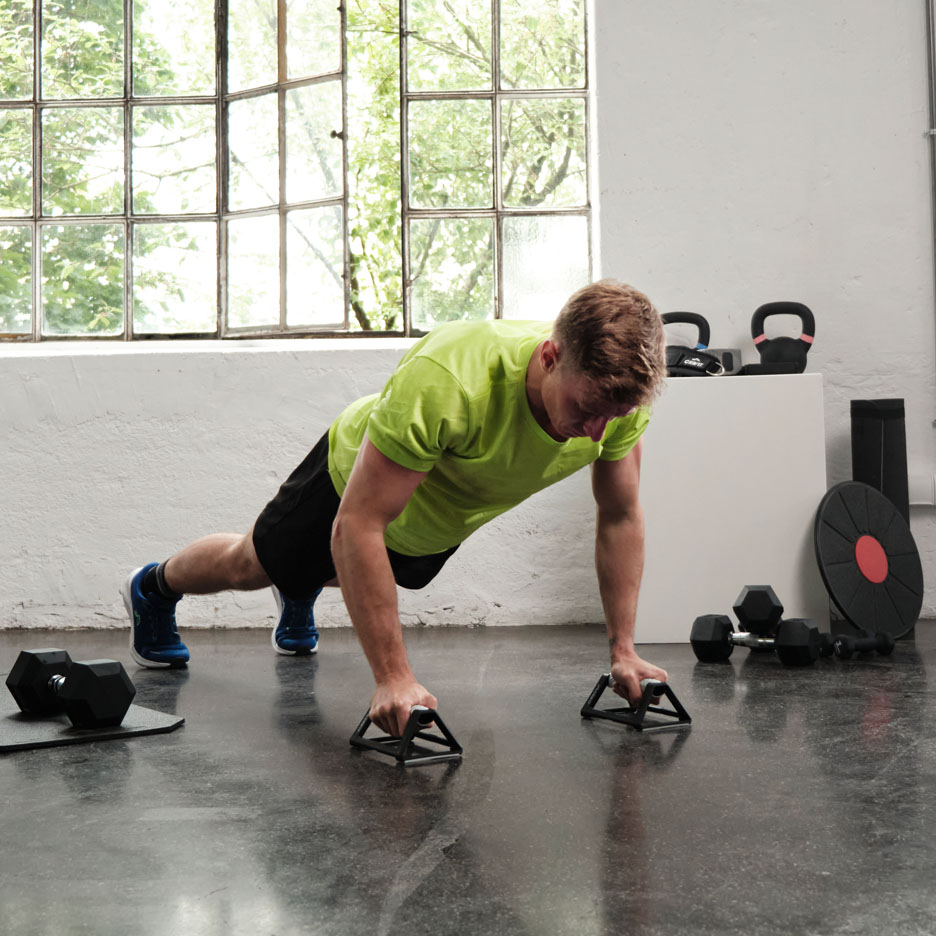
3. Plank
A classic among core exercises is the plank: it trains your entire core musculature, shoulders, and back, putting the focus entirely on your deep core muscles. To practice the plank, support yourself on your forearms and extend your legs straight behind you so that your body forms a straight line. Make sure to keep your abs tight and do not let your back sag. Start with 10 to 20 seconds and slowly build up.
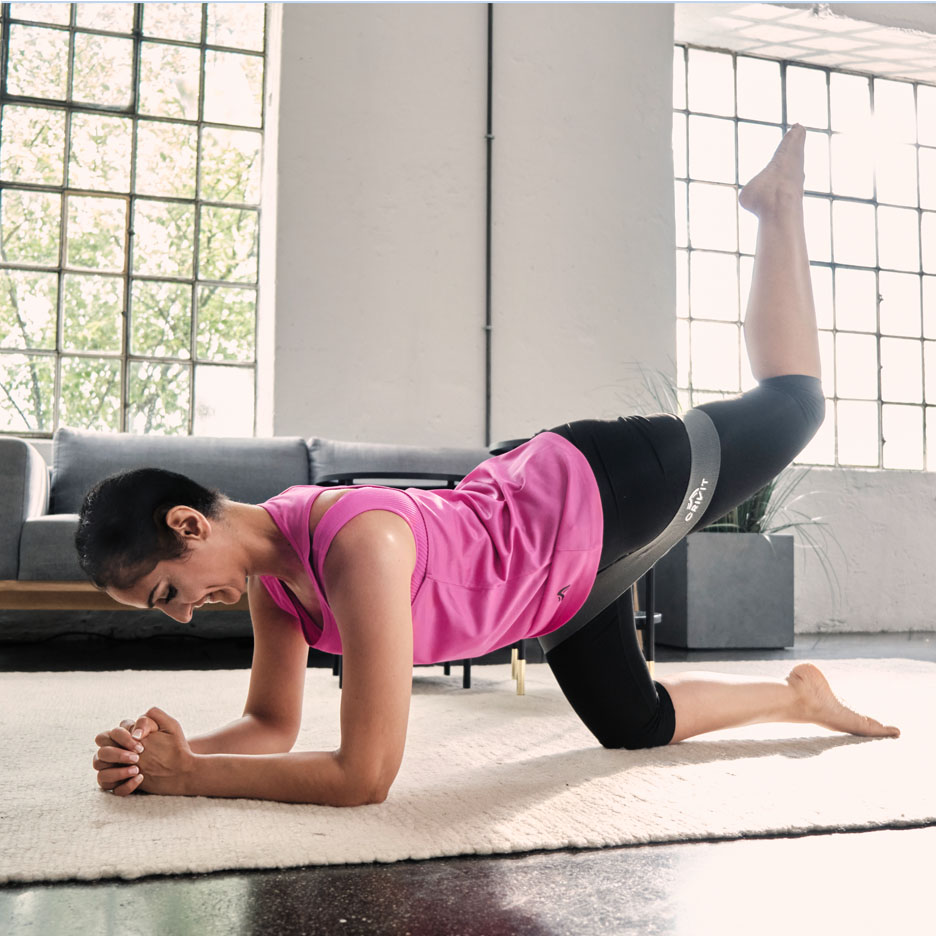
4. Lateral Leg Raises
Lateral leg raises combine balance with targeted activation of the glutes and your core. It becomes more intense if you use a loop band, which places even more focus on your deep muscles. Anais explains how it works: “Stand up straight, with the loop band just above your knees. Now slowly lift one leg. Keep your upper body still, 10 times per side, 2 rounds.”
5. Side Walks with Loop Band
By using the loop band, this exercise trains not only your glutes and outer thighs, but also your core muscles. The most important thing: “Always maintain tension, activate your glutes,” emphasizes Anais. 8 steps to the side, then back, 2 sets each. “This is truly the ideal exercise to counteract postural damage from sitting,” says the certified yoga instructor.
6. Quadruped: Bird Dog
This exercise specifically targets your back extensors and challenges your deep abdominal muscles through a minor balancing act. The starting position is on all fours. Then extend your arm and leg diagonally. Make sure to keep your core active. Then bring your elbow and knee together. Repeat this 10 times, then switch sides, performing 3 sets in total.
7. Kettlebell Deadlift
“This brings power for the whole day,” says Tobi, who integrates this exercise into his own training for exactly this reason. “For the kettlebell deadlift, start in an upright, hip-width stance, holding the kettlebell in both hands with arms extended. Slowly lower down. Knees out, chest up. Keep your back straight, with the movement coming from your hips,” the personal trainer instructs, emphasizing: “It is important that everything is performed in a controlled manner without momentum.” Do this for 10 repetitions in 2 sets.
How to integrate core training into your daily routine
Small routines bring the greatest long-term results. You don't need long workouts – 10 minutes a day is enough and can be wonderfully integrated into your daily life. All the exercises from our two experts can easily be done at home. It works beautifully even without any equipment. To make it even easier for you to implement your core training in the future, here are a few tips:
- Start small: It is better to train for 5 minutes daily than for one hour once a week.
- Establish a routine: Set times help – for example, in the morning after waking up or as an active break when working from home.
- Variety: Combine static and dynamic exercises to challenge all areas of your core.
- Breathe consciously: Mindfully combine breathing and movement to activate the deep core muscles. Exhale during exertion and release as you inhale.
The bottom line: Strengthening your core pays off – for body & mind
A strong core is your personal powerhouse – it helps you walk tall through life, protects you from pain, and gives you energy for any kind of movement. Just a few minutes a day can make all the difference – or as our expert Tobi says: "You don't have to be a pro – just get started. Your body will thank you."
Frequently Asked Questions About Core Training
Ideally, aim for 3 to 4 short sessions per week. Consistency is key, not the duration.
After 3 to 4 weeks, you can start to feel the first improvements in your posture and stability – as long as you stay consistent.
Absolutely! Bodyweight exercises are especially perfect for getting started.
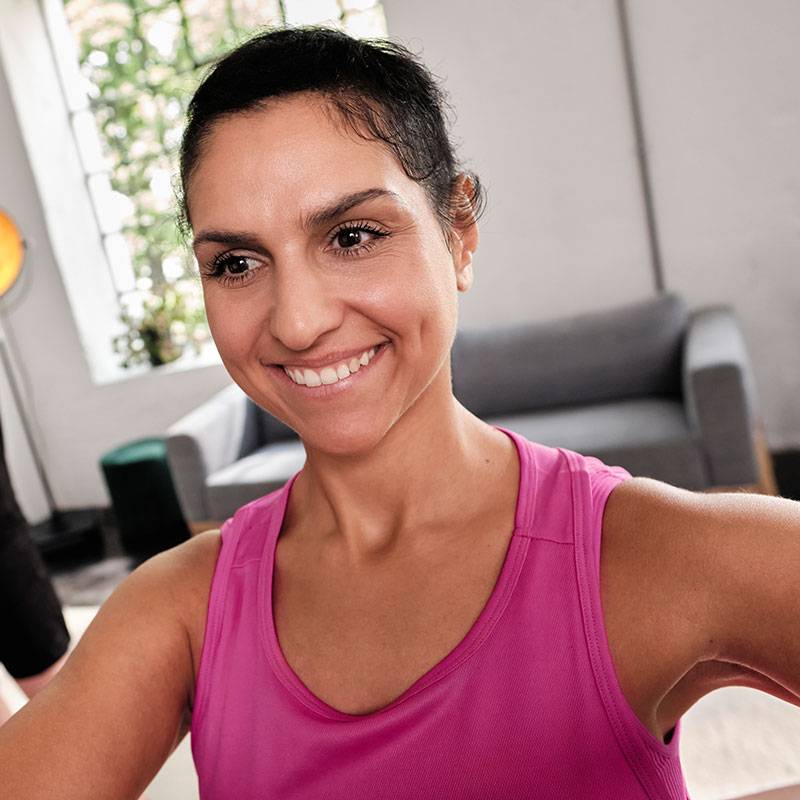
Profile of Fitness Professional Anais
Name: Anais Telian
Age: 33 years old
Profession: Fitness Professional, Yogapreneur
Athletic Background:
- Combines deep yoga expertise with modern fitness skills
- Hosts her own events featuring sound healing, R&B vibes, and a strong community spirit
What defines Anais: She stands for mindfulness, empowerment, and body awareness – modern and perfect for everyday life.
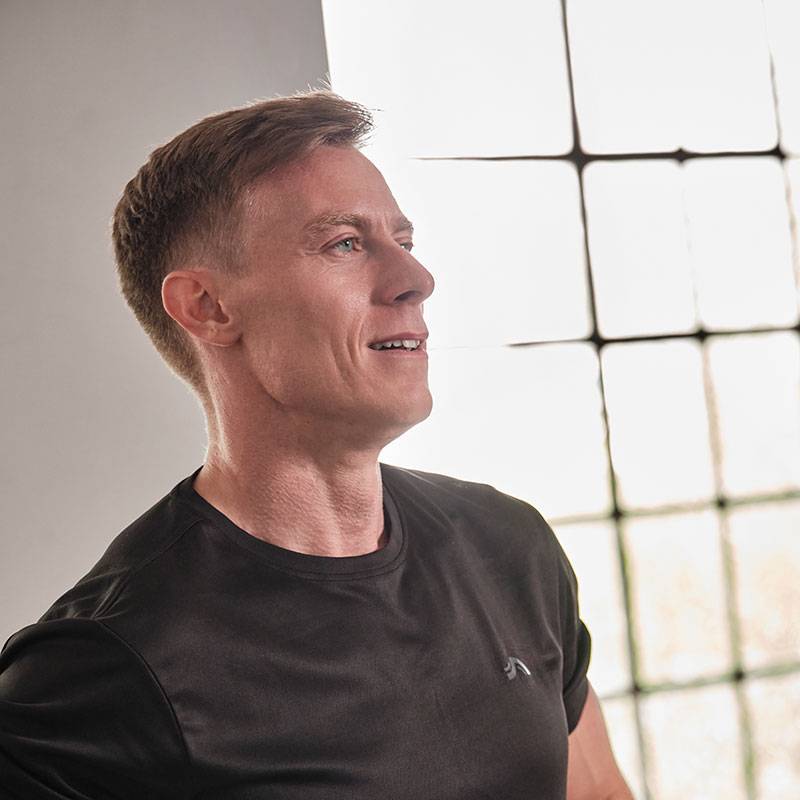
Profile of Fitness Expert Tobi
Name: Tobias Lipp
Age: 33 years old
Profession: Fitness Director "Scheck Club", Personal Trainer
Athletic Background:
- Certified Sports and Health Trainer
- A-License Personal Trainer
- Living and breathing sports since childhood – with roots in soccer and a passion for strength and functional training
What makes Tobi stand out: Inspires with warmth and humor, has a great intuition for people – and practices what he preaches: authentic, open, and committed.