Dynamic Warm-Up for Runners: The Best Pre-Run Routine
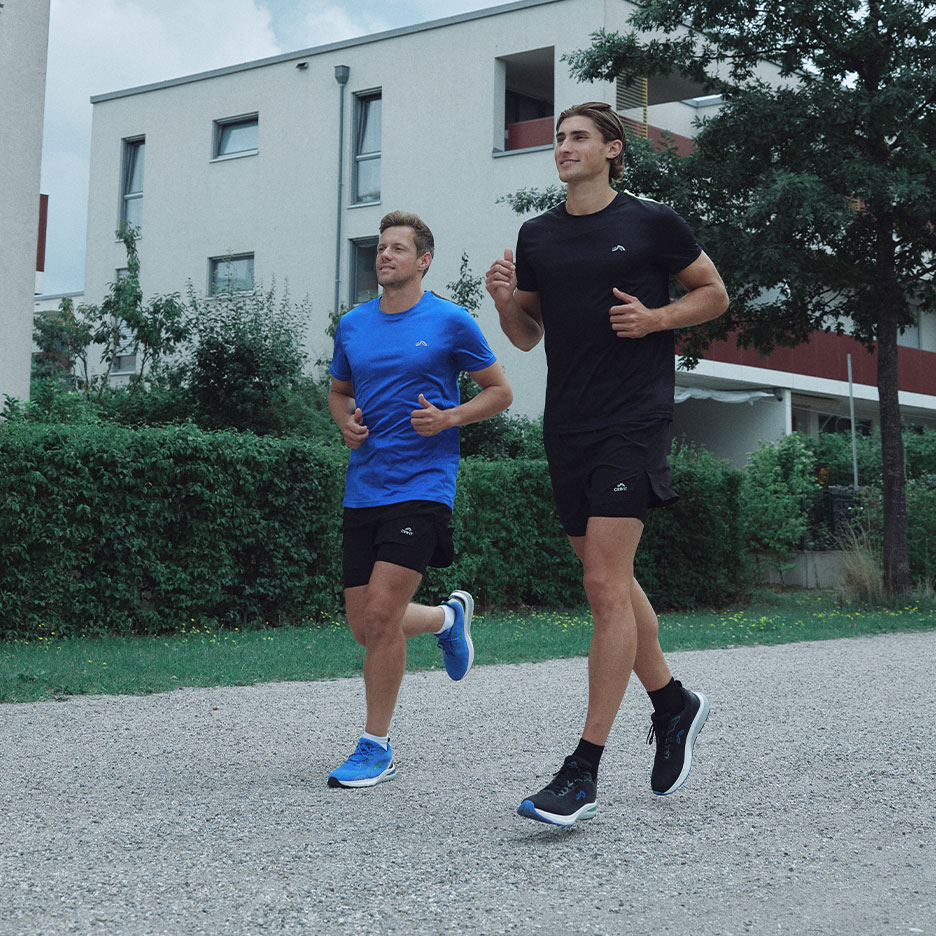
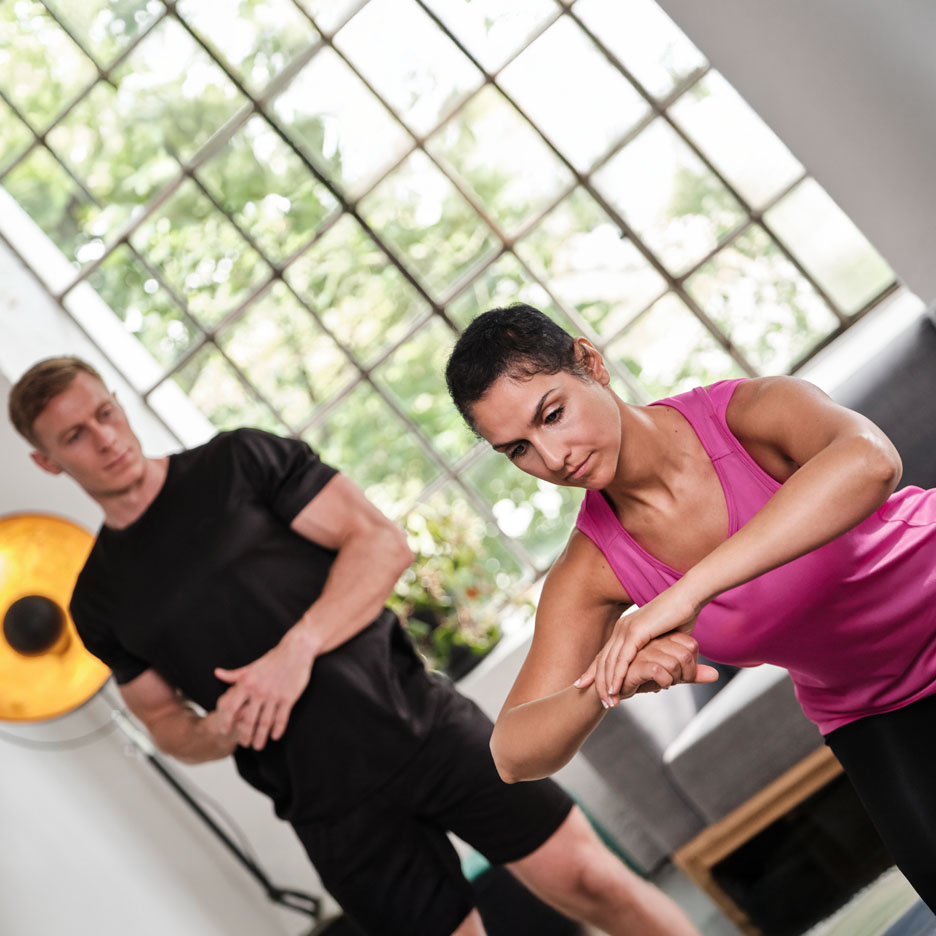
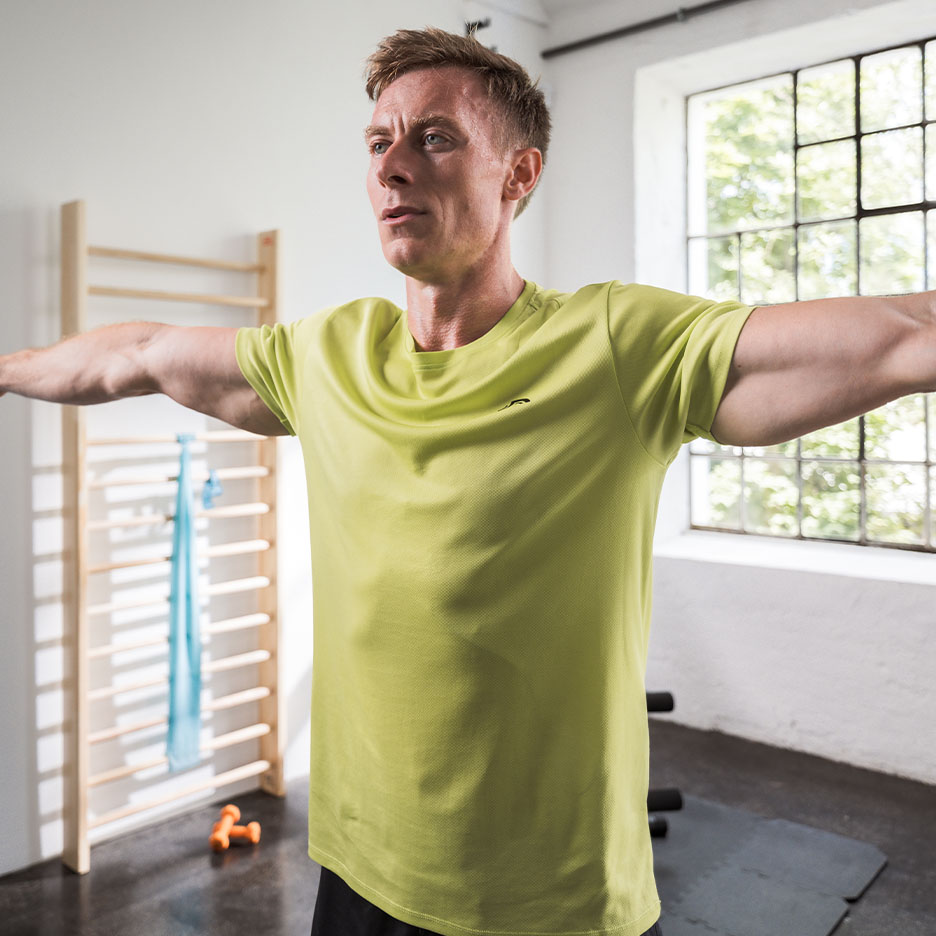
Dynamic warm-ups are the key for runners to boost performance, prevent injuries, and achieve a smooth stride. Instead of just heading out the door or doing static stretches, these targeted dynamic movements will perfectly prep your joints, muscles, and nervous system for the run ahead. In this video, running experts David and Tim share the ultimate dynamic warm-up routine for runners.

Why Dynamic Mobilization is Essential for Runners
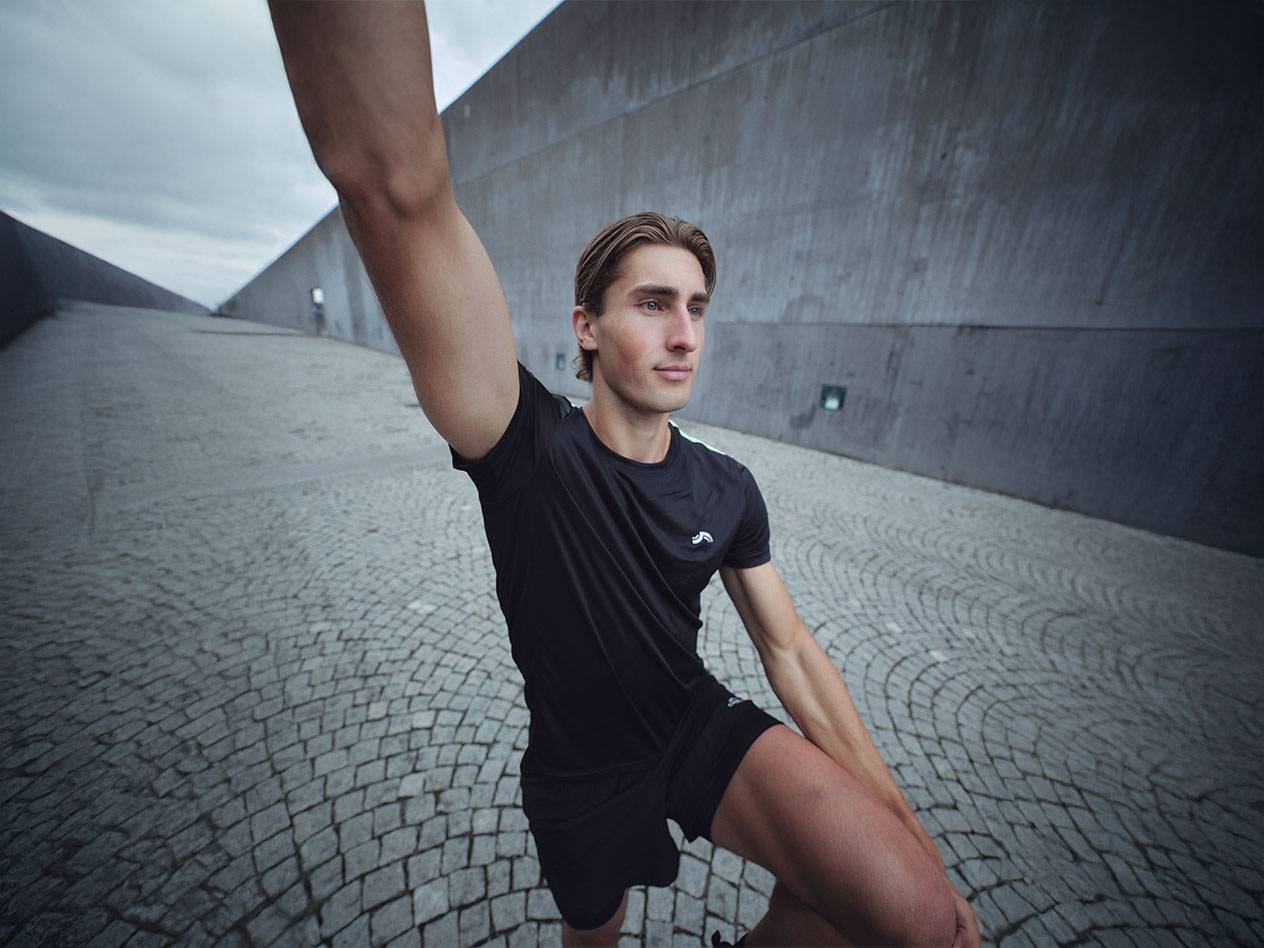
Before you start running, you shouldn't just warm up your muscles; you also need to activate your mobility and stability. Dynamic mobilization helps you do just that:
- Improve running economy: Greater freedom of movement and a smoother running technique.
- Reduce risk of injury: Joints, tendons, and muscles become ready for the workout.
- Increase range of motion: Especially in the hips, ankles, and thoracic spine.
- Boost neuromuscular activation: Muscles react faster and with more power.
Important: Dynamic mobilization replaces static stretching before running – static stretching belongs in your cool-down for recovery.
Dynamic Mobilization vs. Static Stretching
Wondering what the difference is between dynamic mobilization and static stretching? We have the explanation:
- Dynamic Mobilization: Movements are performed through a full range of motion, actively and fluidly, to activate muscles and boost circulation.
- Static Stretching: Positions are held longer to lengthen muscles – better suited for recovery after your run.
Which joints should you mobilize before running?
A targeted warm-up for runners is important to specifically mobilize running-relevant joints and to promote freedom of movement, stability, and injury prevention. When running, repeated impact and rotational forces act on the entire musculoskeletal system – dynamic mobilization ensures that muscles, tendons, and ligaments are optimally prepared. Important joints to mobilize before running:
- Ankles – improve the rolling motion of the foot, provide more stability when landing, and reduce the risk of twisting your ankle or developing Achilles tendon issues.
- Knees – increase flexibility in flexion and extension, support a powerful push-off, and counteract strain.
- Hips – crucial for stride length, hip extension, and efficient forward drive; prevent typical runner's complaints like hip impingement.
- Lumbar spine & pelvis – promote an upright running posture and reduce improper loading.
- Thoracic spine – ensures better rotation of the upper body and a relaxed arm swing.
- Shoulders & arms – support a harmonious running style through fluid arm movements.
Tip: Mobilize these joints in a smooth, dynamic motion without jerky movements. This simultaneously activates muscles, fascia, and the central nervous system – the perfect foundation for an efficient start to your run.
This is what the optimal dynamic mobilization before running looks like
In our video, running experts David and Tim show you what dynamic mobilization looks like and take you through it step-by-step:


Ankle Work
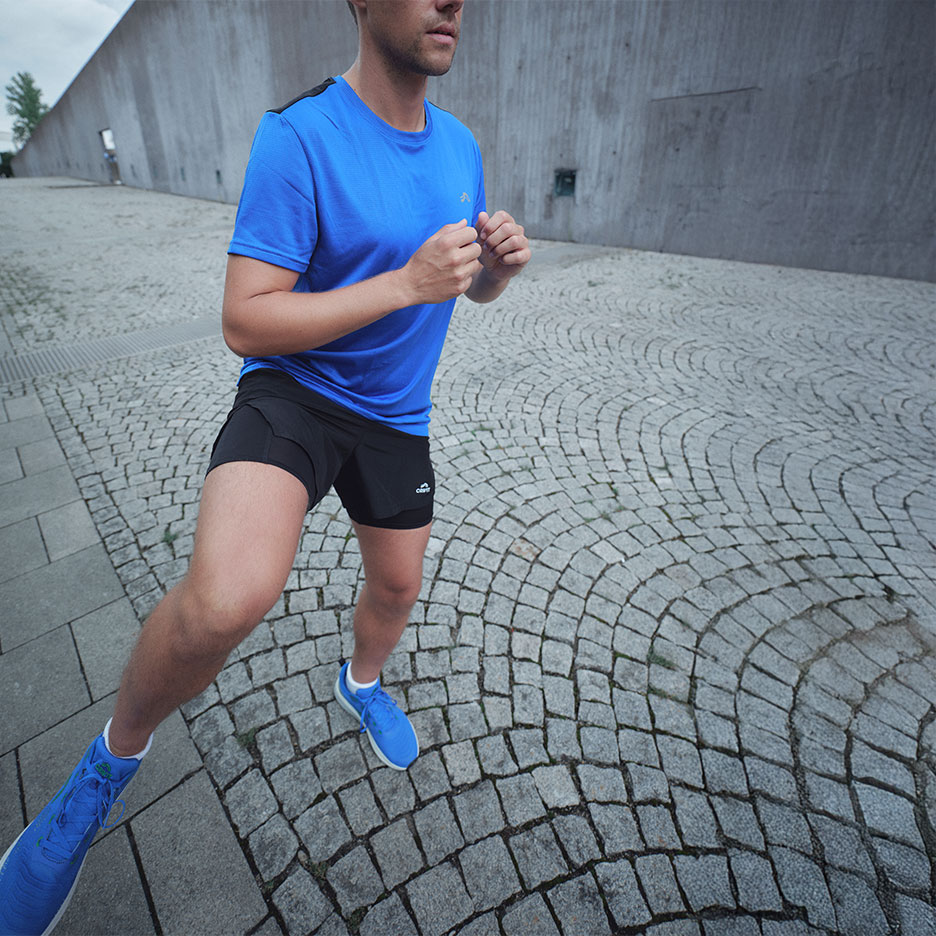
The first exercise is a mobilization for the ankle joint. David explains how it works: “Take small steps in place, rolling through your foot to get the largest possible range of motion. Also, make sure to swing your arms loosely with you.”
Light Skippings
Skippings are all about activating the ankle joint. "Work actively against the ground and lift your knees slightly," emphasizes the running expert. This creates a dynamic movement that optimally prepares your body for running.
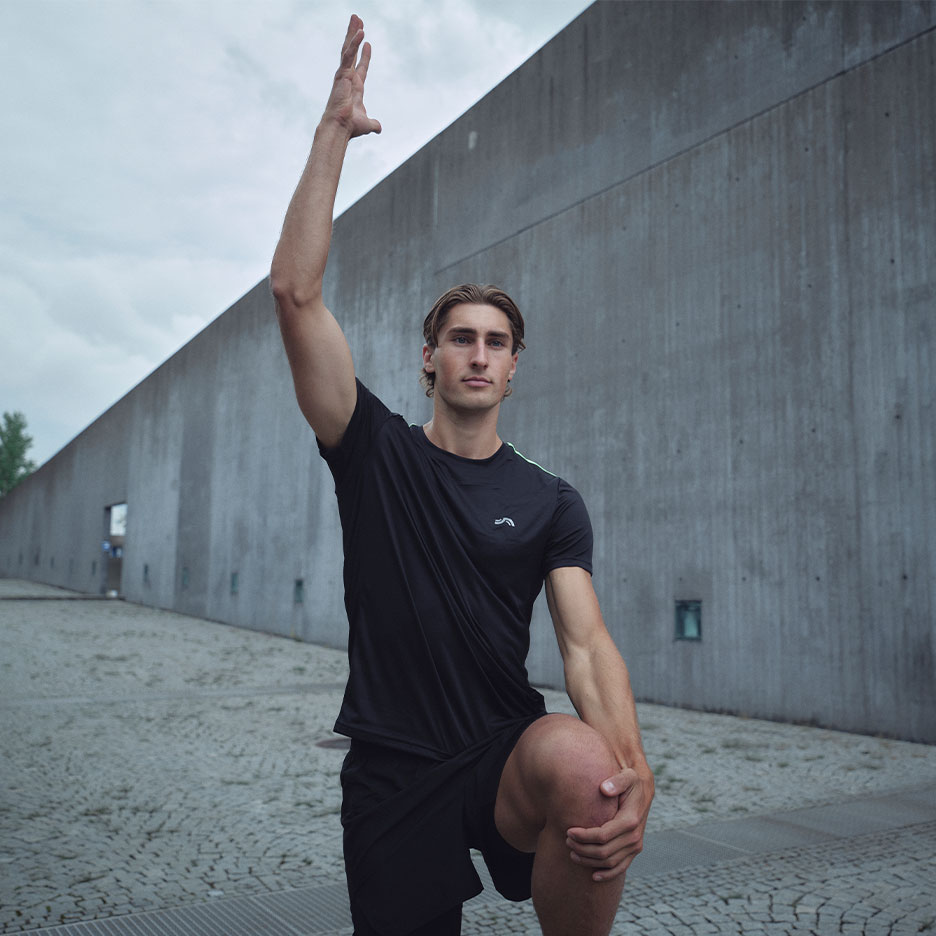
High Knee: Hip Flexor Stretch
While standing on one leg, bring one knee up toward your chest in a controlled motion as you gently rise onto the toes of your supporting foot. Keep your posture as upright as possible. "This mobilizes the hips while simultaneously activating the calf muscles."
Hip Flexor Stretch
“To prepare the hip flexor and the front thigh muscles, stand on one leg, bring your other leg backward, grab your foot, and gently pull it toward your glutes,” David describes. “This dynamic stretch loosens the hip flexors and the quadriceps – ideal for an improved stride length.”
Unlock your hips: Hip-Flow
Running expert Tim explains the next exercise: "Stand on one leg and pull the other one up. Then guide it to the side, to the back, and back down to the floor." For an advanced variation, he recommends: "Extend your leg straight back to also activate your glutes."
Dynamic Reach: Hamstrings in Motion
This dynamic mobilization exercise prepares the back of your legs as well as your entire nervous system. "From a standing position, step one leg forward, straighten it, and pull your toes toward you. At the same time, lean your upper body slightly forward. Slowly guide your arms forward and upward." Tim adds: "Repeat on both sides several times."
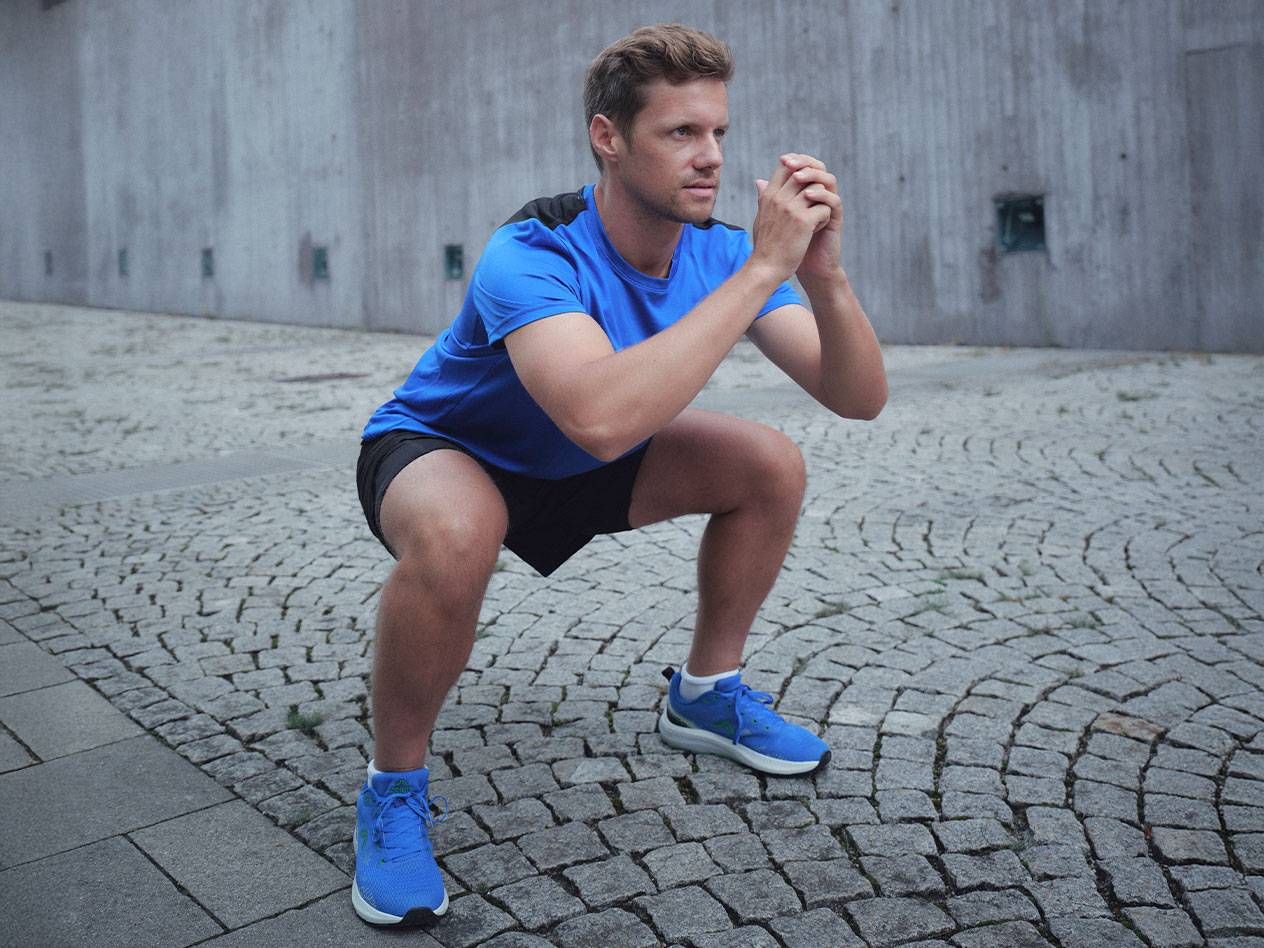
Deep Squat: Power Squat
As a final exercise, running expert Tim recommends a deep squat to mobilize your hips and glutes once more: "To do this, push your hips far back, bring your arms forward, and then stand all the way back up. Repeat dynamically."

Dynamic Mobilization – the Key to a Strong and Safe Run
Targeted mobilization before running is much more than just warming up – it is the key to better running technique, increased flexibility, and fewer injuries. Start every run with this dynamic mobilization mini-routine and feel the difference: a lighter stride, better rhythm, and more power.
FAQ – Frequently Asked Questions About Dynamic Mobilization for Runners

Profile of Running Expert Tim
Name: Tim Buchheister
Age: 26 years old
Profession: International Marathon Athlete
Athletic Background:
- Competitive athlete since childhood
- Grew up playing soccer up to the regional league level (including coaching licenses), as well as tennis in his youth
- Passion for strength training and functional fitness
What makes Tim tick: Tim has been passionate about sports his entire life. These days, he is especially focused on running and HYROX. But it is not just about the sport itself: he loves pushing himself and others to peak performance.

Profile of Running Expert David
Name: David Schönherr
Age: 36 years old
Profession: Sports Scientist & Physiotherapist with his own running schools
Athletic Background:
- Sports Scientist & Physiotherapist
- Ultramarathon Runner / 2:23h Marathon
- Two-time Winner: RedBull Wings for Life World Runs Germany
What defines David: David is a true running pro. It is not just his athletic background that speaks for itself. He also shares his expertise and is the founder of RunningCrew and the LaufschuleMünster.