Beginner's Guide to SUP: How to Get on the Water Safely and Have Fun
Stand Up Paddling, or SUP for short, has become one of the most popular water sports in recent years. This mix of outdoor adventure, fitness, and relaxation on the water attracts more and more people because it is also perfectly suited for beginners. But how does it work if you've never stood on a SUP board before? In this beginner's guide, we'll give you the best tips to get on the water safely and have fun—from choosing the right equipment to your very first ride. Manuel, SUP Instructor and Personal Trainer, shares his expertise and shows you how to master your entry into this fascinating sport with simple steps and the right mindset.
What is Stand Up Paddling?
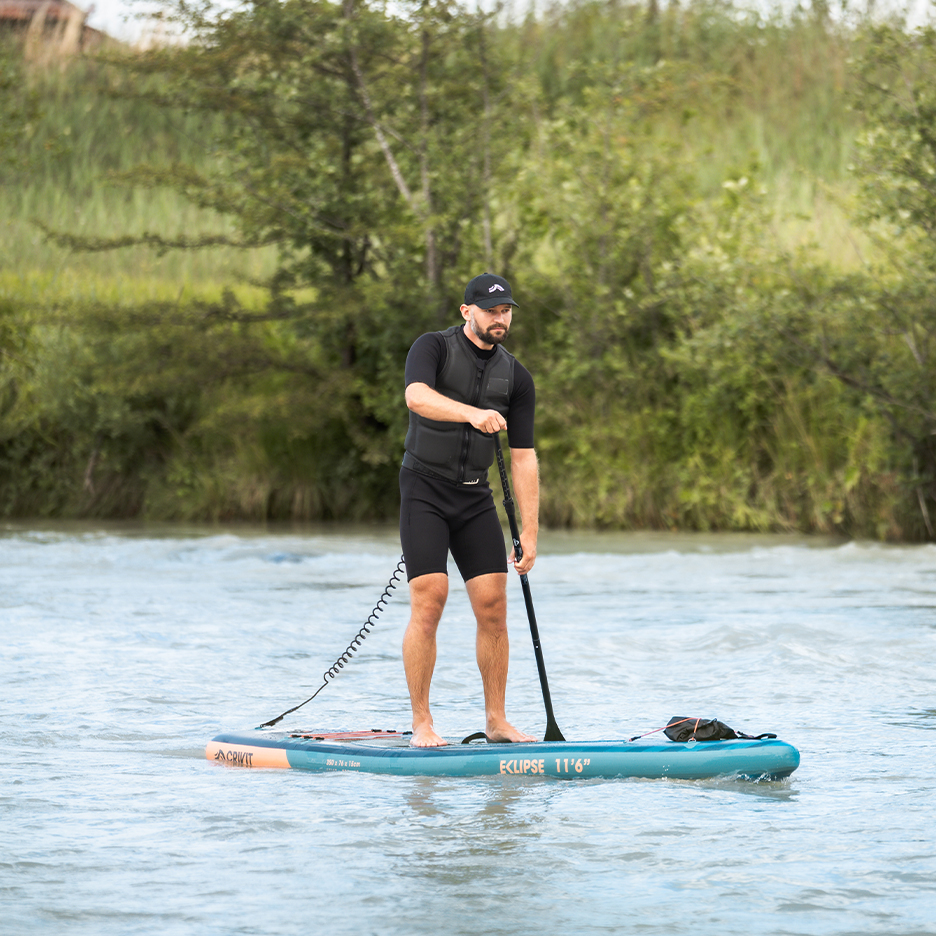
With Stand Up Paddling, you stand on a large board that looks similar to a surfboard and move across the water using a paddle. Originally from Hawaii, SUP has grown into one of the most popular outdoor activities worldwide in recent years. It combines balance, coordination, strength, and endurance, making it a fantastic full-body workout.
What Makes Stand Up Paddling So Popular?
Compared to other water sports, Stand Up Paddling is relatively easy to learn—which makes SUP highly popular among beginners. And even if you fall off the board, taking a splash in the water is not bad at all when temperatures are warm. What makes SUP so special is the feeling of freedom you experience on the water. With almost no other water sport can you enjoy the vastness of the water so much without needing a lot of prior experience.
What are the benefits of Stand Up Paddling?
Stand Up Paddling is not only a fantastic full-body workout, but it is also a great tool for your mental health. Here is how you can benefit physically and mentally:
- SUP trains core and deep muscles: To maintain your balance on the swaying board, many small muscle groups in your body are active, especially in your abs, back, and legs.
- SUP strengthens arms and back: On a SUP, the paddle is an essential tool that you must use to move forward. Dipping and pulling the paddle trains your entire arm and back musculature.
- SUP improves your endurance: On a tour like this, you quickly cover a lot of ground, which improves your endurance – gently and easy on the joints.
- SUP ensures better balance & coordination: The versatile movements you combine on the SUP board train your coordination and balance.
- SUP helps with stress reduction: The gentle movements on the water, the fresh air, and the calming natural surroundings help reduce stress hormones. The gentle rocking on the board signals safety to your nervous system – allowing it to switch into relaxation mode.
- SUP promotes mindfulness and focus: When SUPing, you have no choice but to be in the here and now. To avoid falling off, you must focus on your balance and the rhythmic paddling movements. This acts almost like a moving meditation, promoting your mindfulness.

How does SUP work? Technique, guide, and tips
Before you hit the water, it is important to learn the right technique. Here are the basic steps to get started with Stand Up Paddling:
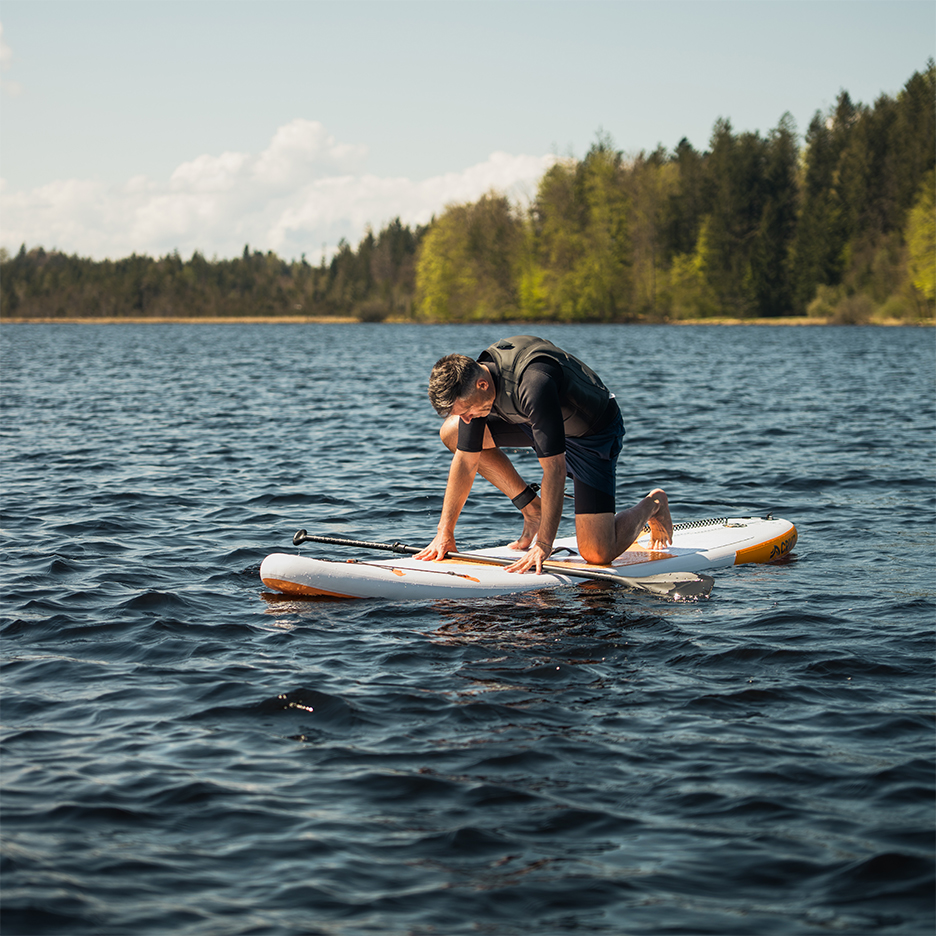
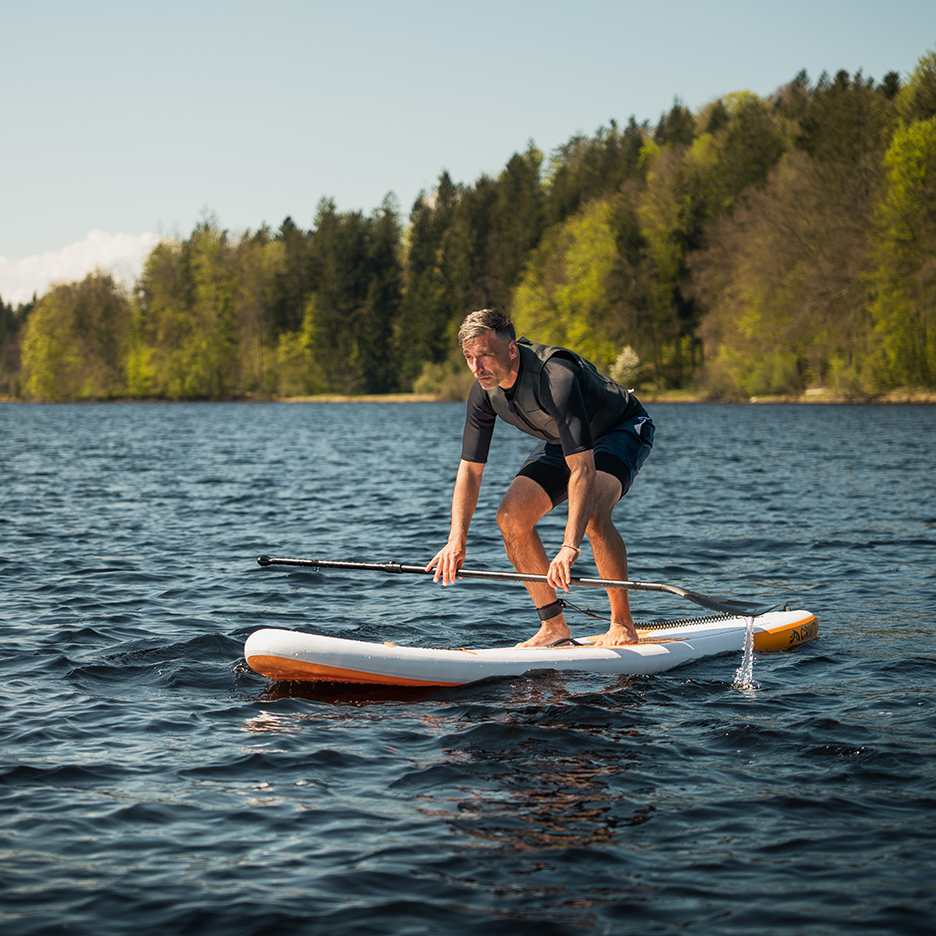
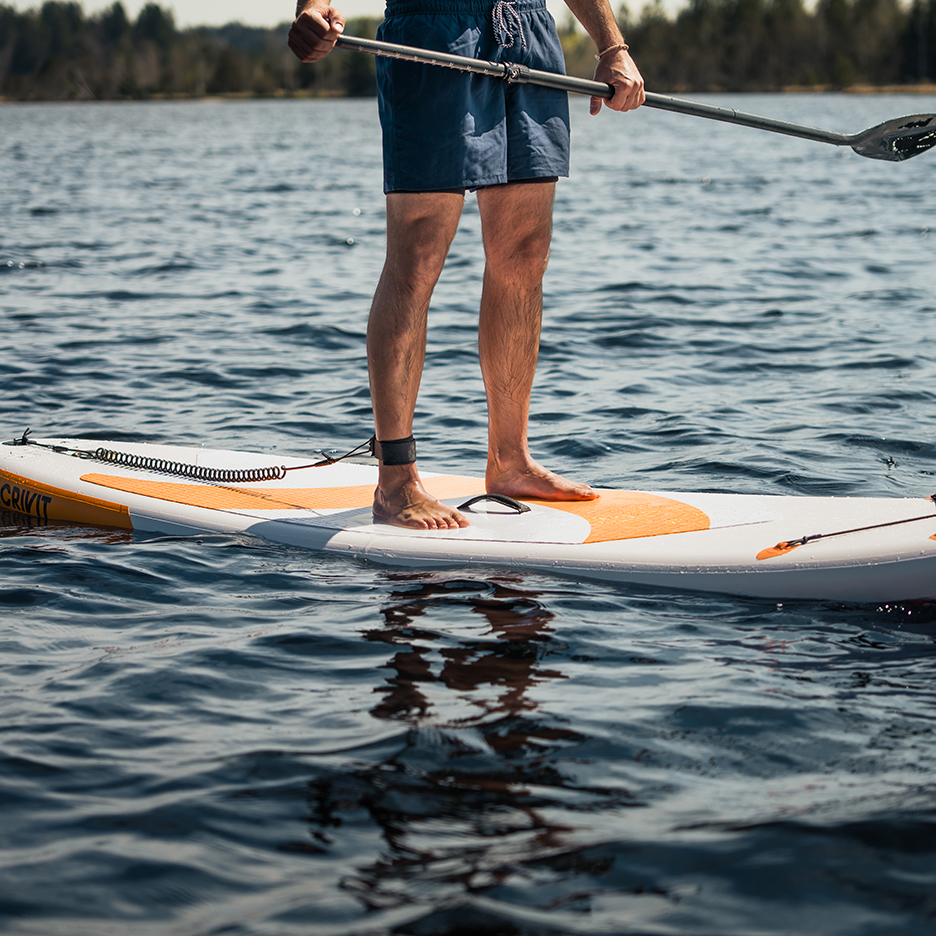
- Standing up: First, get onto the board by starting on your knees. Once you get a feel for the board and your balance, you can slowly push yourself up onto your feet. Make sure to place your feet parallel to the board, hip-width apart.
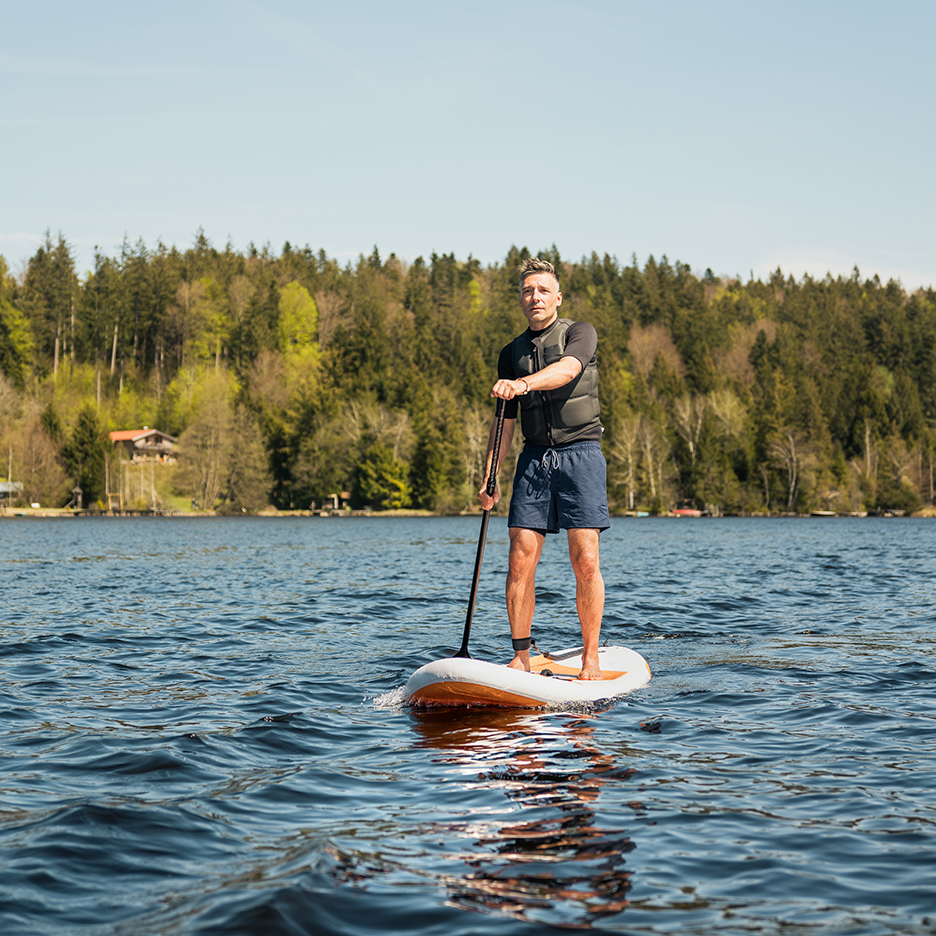
- The right posture: Keep your upper body upright, knees slightly bent, and look forward, not down. Keep your gaze on the horizon to maintain your balance. Avoid bending over too much – a relaxed but stable posture will help you control the board better.
- Paddling: Paddling should be done with a smooth, steady motion. Make sure to rotate your torso and not just paddle with your arms – this way you use your full body strength. Switch sides regularly to paddle in a straight line.
Tip from SUP expert Manuel: "The first time, it's completely normal to wobble a bit. Take your time to get a feel for the board. The important thing is to stay calm and not panic. Falling off is just part of the fun. Then simply get back on the board and keep going."
The right SUP equipment: What to look for in a SUP board
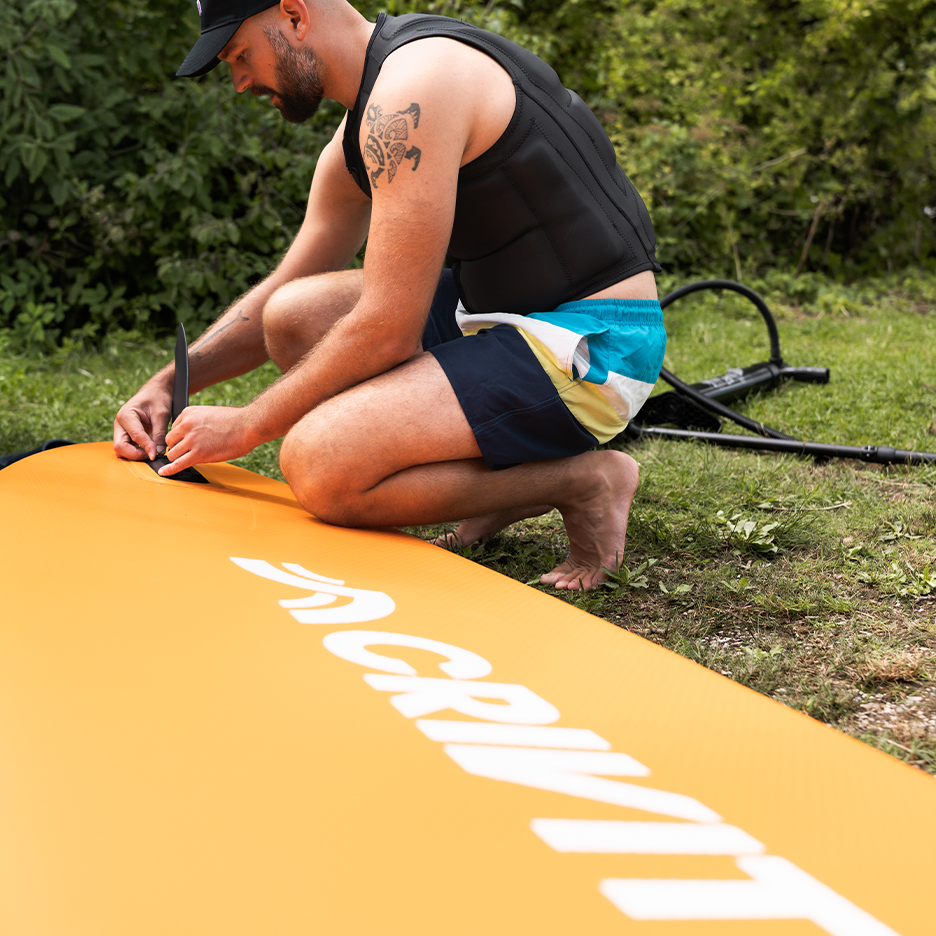
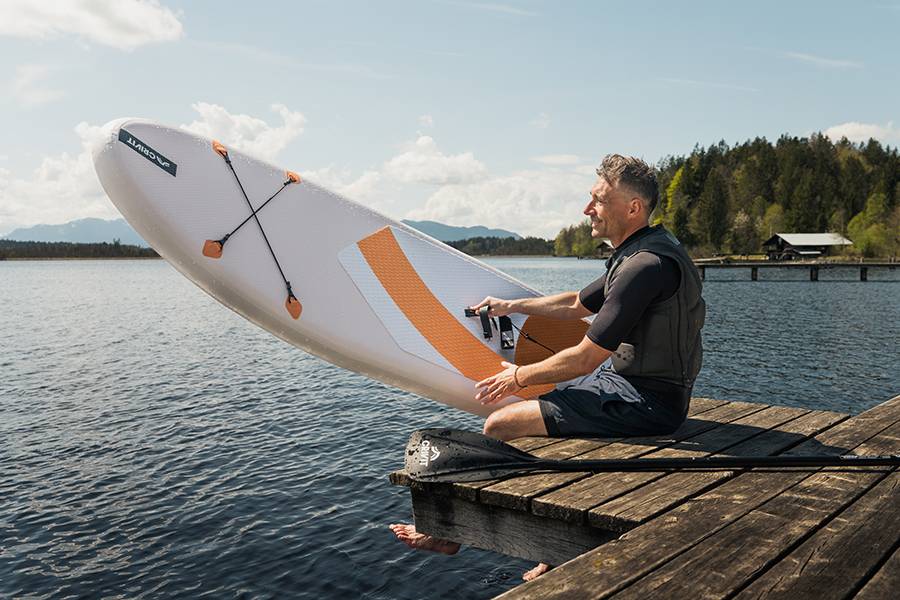
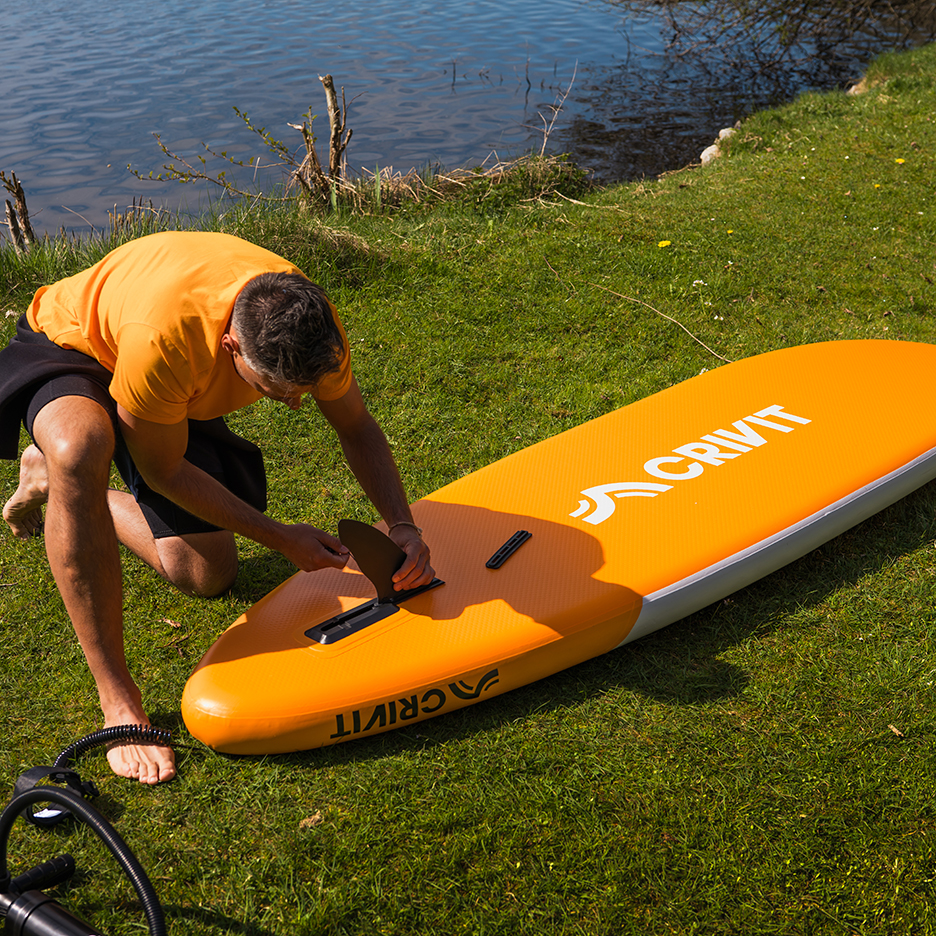
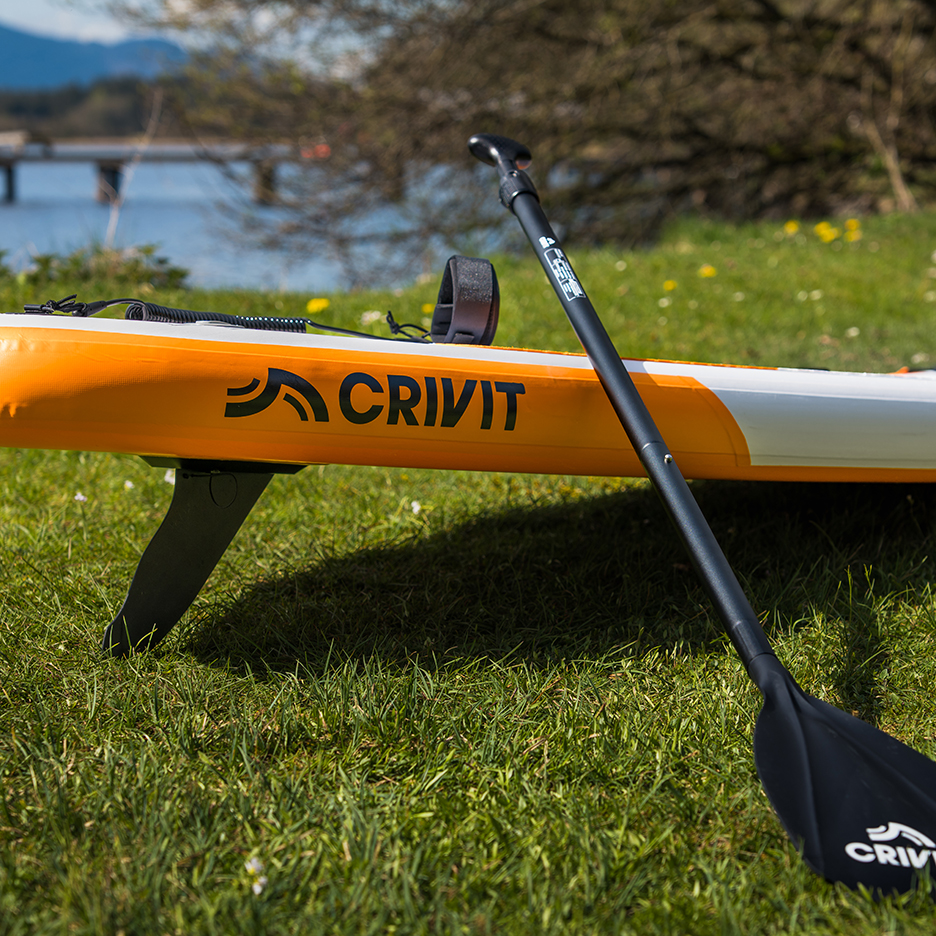
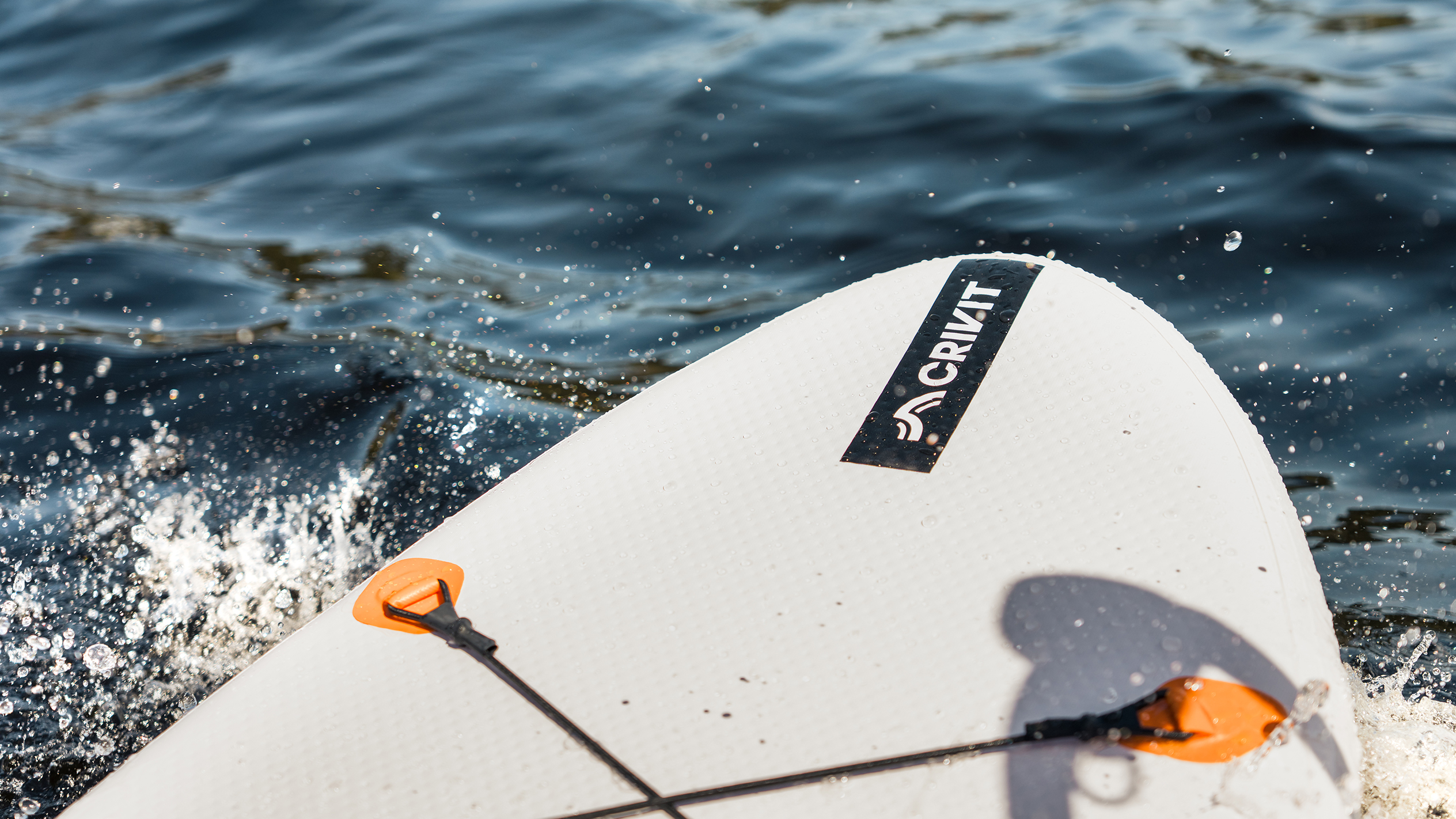
Before you head out onto the water, choosing the right equipment is key. A Stand Up Paddle board consists of several components – the board itself, the paddle, and a leash (your safety line).
The SUP board:
For beginners, we recommend choosing a stable, wide board. The wider the board, the easier it is to keep your balance. Boards that are about 10 to 11 feet long are ideal for beginners, as they offer a great balance between stability and maneuverability. An inflatable SUP is an excellent choice – it is lightweight, durable, and easy to transport.
The paddle:
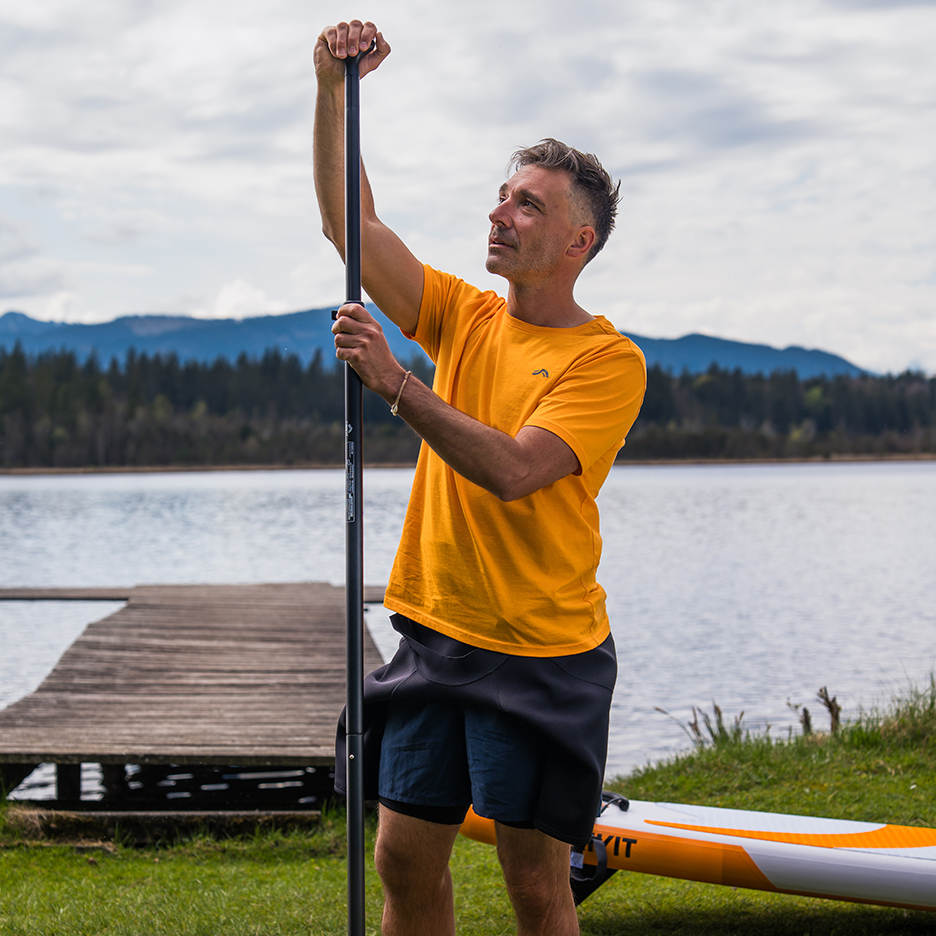
The paddle should be lightweight and sturdy so you can control it with ease. Make sure the paddle is adjustable in length so you can customize it to your height. A paddle that is 6 to 8 inches (15 to 20 cm) taller than you are will ensure the best comfort while paddling.
The leash:
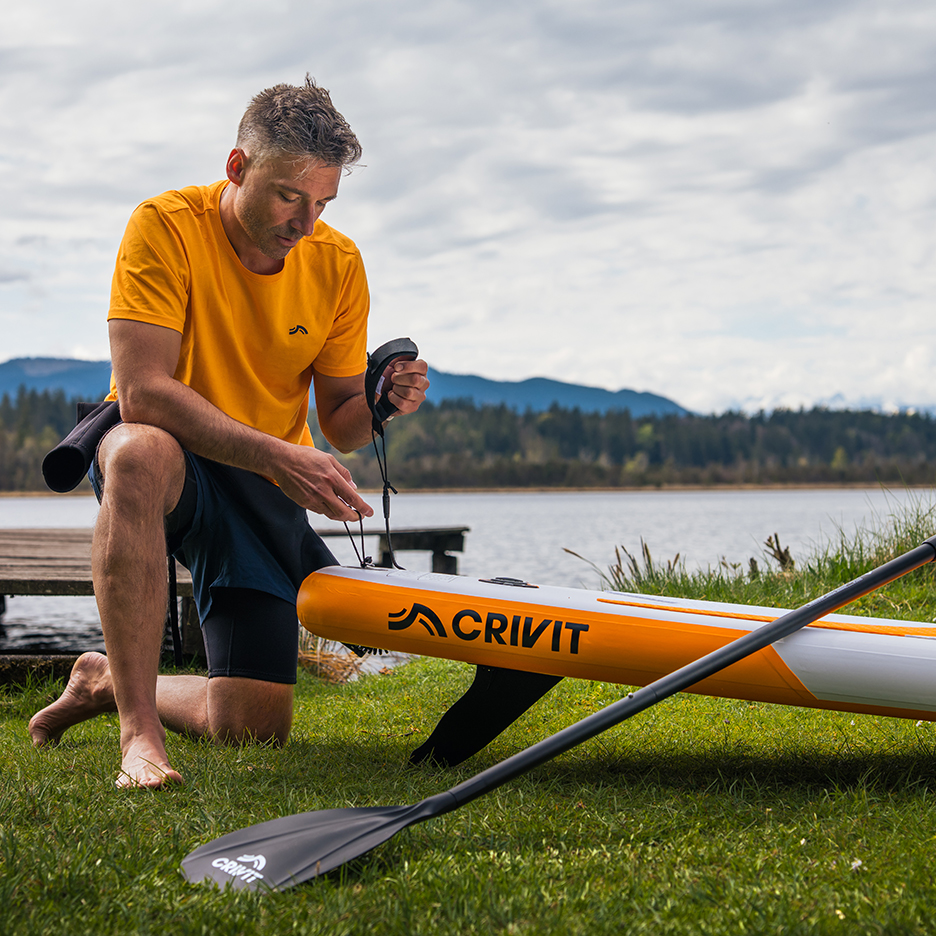
The leash is an essential safety feature. It connects you to your board in case you fall, ensuring you can always reach your board quickly. Make sure the leash is the right length for your board and fits comfortably.
The perfect spot for your first SUP adventure
Your first SUP outing should take place on calm waters. Lakes, ponds, or quiet rivers without strong currents are ideal. In windy or wavy conditions, especially in hilly areas, it is best to hold off for now.
Tip from SUP expert Manuel: “Choose a location without a lot of traffic from other boats or jet skis. A quiet lake is perfect for getting started.”
Summary: Your First Step into the World of Stand Up Paddling
Stand Up Paddling is a fantastic way to combine nature, fitness, and relaxation. With the right tips and a little practice, you will quickly find your rhythm on the water, experiencing your body and mind in a whole new way. Start slow, be patient with yourself, and enjoy every moment on the water. And who knows – maybe you will soon be just as hooked as Guido and discover your own passion for SUP!

FAQs for getting started with SUP:
Typically, it only takes 20-30 minutes to learn the basics and stand confidently on the board. With regular practice, you will make fast progress.
No, you don't need any prior experience. SUP is suitable for almost all fitness levels, and with the right tips, you'll get into the flow in no time.
That is completely normal! Stay calm, swim back to your board, and just try it again. Practice makes perfect.

Profile of SUP Expert Manuel
Name: Manuel Fuchs
Age: 43 years old
Profession: Movement and Health Expert, Outdoor Guide, SUP Instructor, Lecturer
Athletic Qualifications:
- Degree in Fitness Economics, Certified Fitness Manager, Health and Rehab Trainer
- Pain Therapist according to L&B, Certified Psychosocial Health Specialist (IHK)
- SUP Instructor, Personal Trainer, and many other licenses
- §20 Spine/Cardiovascular Training, §44 Rehabilitation Trainer (Orthopedics, Oncology, Diabetes)
What makes Manuel stand out: Manuel is versatile, passionate, and brings over 20 years of experience in the movement and fitness world. He motivates people with enthusiasm, patience, and expertise – whether on the SUP board, in the gym, or during outdoor adventures.