Kids' Shoes: How to Find the Perfect Fit
Depending on their age, children's feet grow up to nearly an inch per year. At the same time, they are one of the most important foundations for your child's healthy development. This places high demands on the perfect kids' shoe. How do you find the optimal fit, and what can you do to get the maximum wear time out of a pair of shoes? Here are some big tips for little soles.
Measure instead of guessing
From their first crawls to running around in the backyard: children's feet need to develop healthily. That is why it is so important to choose the right shoes for your kids. Baby feet grow the fastest, but even around age eleven, children's feet still grow about half an inch per year. That is why it is crucial to regularly check the fit of your kids' shoes. For toddlers, check every two months; for older kids, every three months; and from age six, about every six months. Always do this in the afternoon, as feet tend to swell during the day. To measure their feet, your children should be standing. Always measure from the heel to the longest toe – on both feet. Sizes can actually differ from one foot to the other. If you do not have a tape measure handy, trace their feet or mark the distance on a piece of paper and measure it with a ruler.
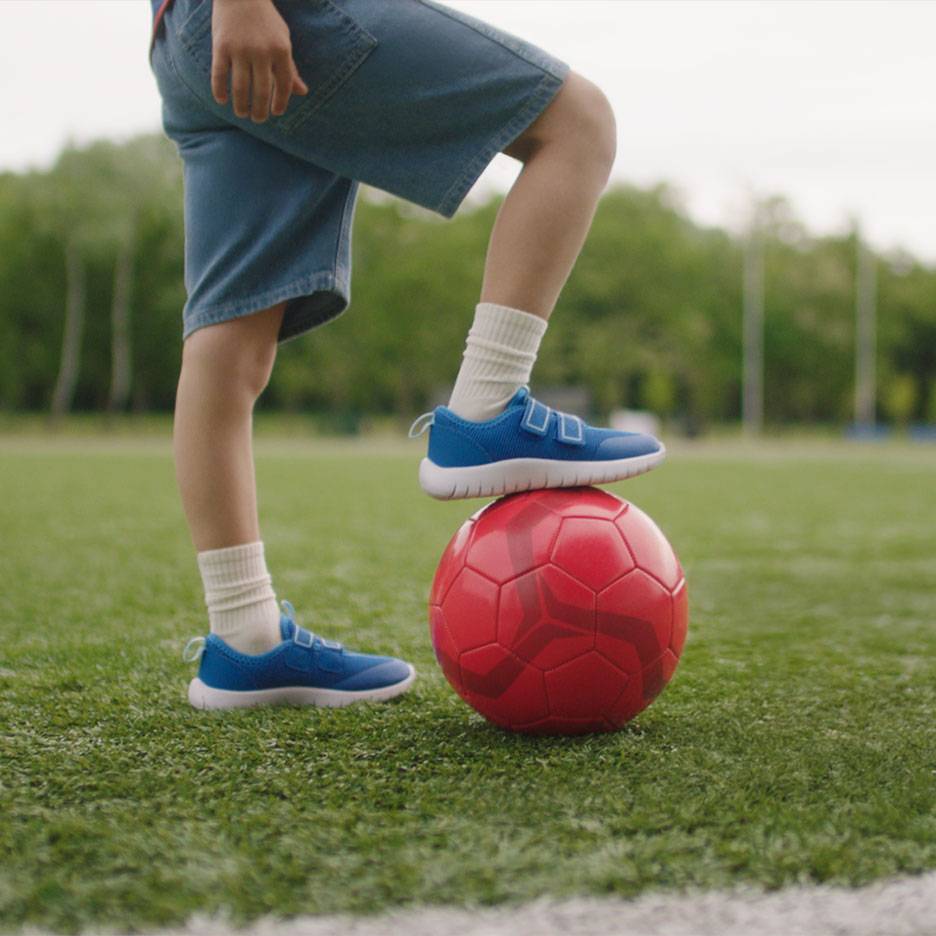
Perfect kids' shoes keep up with every step
Barefoot is the healthiest way to walk. Kids' shoes for winter or summer should come as close to that feeling as possible. This works best with a flexible sole that allows the foot to roll naturally. Boots or sneakers support the ankle to keep things steady during unsteady steps or sudden movements. Also, look for a lightweight design so kids can lift their feet easily. In addition, opt for a roomy toe box where the forefoot can spread out. Your child will quickly notice if everything fits: let them walk around in the shoes as a test before you decide on a pair.
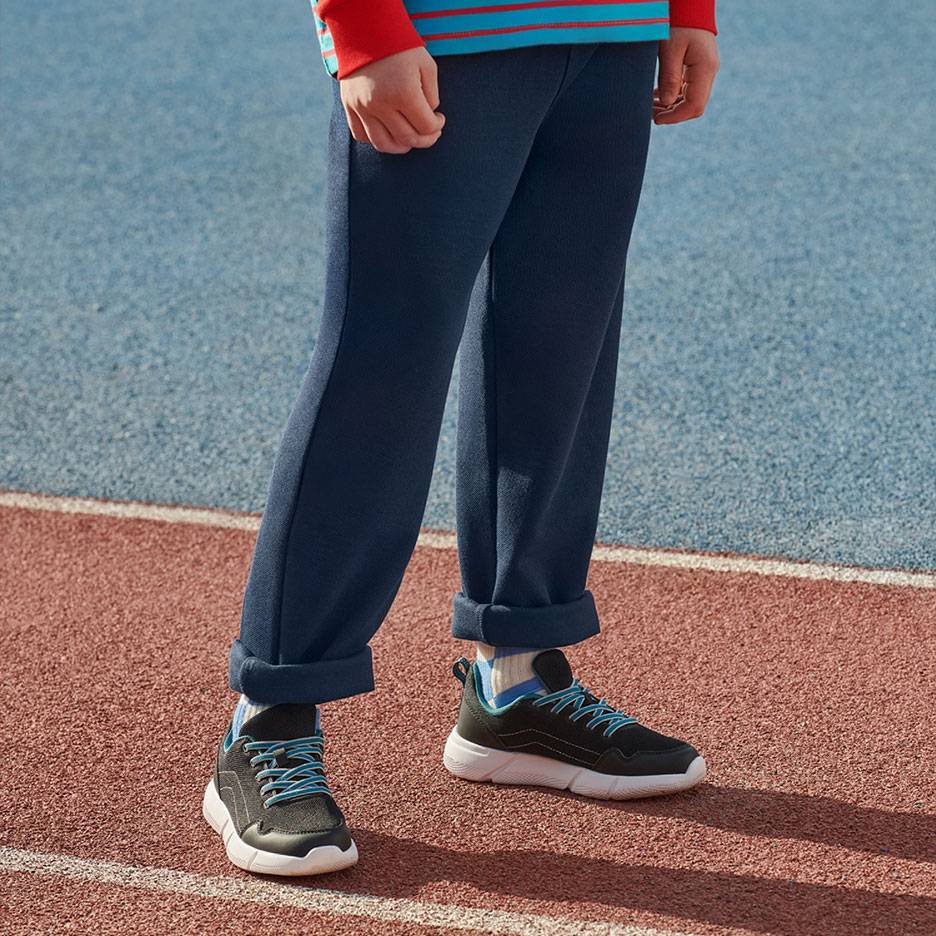
Shoes that grow with your child?
While there isn't much wiggle room when it comes to how long children's shoes will fit, you can certainly stretch their wear-time by a few extra months. Ideally, children's shoes should be about 0.5 to 0.7 inches (1.2 to 1.7 centimeters) longer than their feet. If you aim for the maximum length, you'll buy yourself more time before needing the next size up. Insoles can help make slightly loose shoes fit better—just don't overdo it, as a proper fit is absolutely essential! For shoes that are a bit too tight, stretching sprays can make the material more flexible and comfortable again. However, this is only a temporary fix until your next shoe shopping trip.