Conquer your first peak: How to successfully start mountain hiking
Your first summit is more than just a destination – it is a milestone. A moment that stays with you. Whether you are completely new to hiking or finally want to aim higher: the path to your first peak does not have to be extremely athletic or dangerous. With the right planning, a bit of stamina, and plenty of curiosity, your tour will become an unforgettable outdoor experience.
Why a summit tour is something special
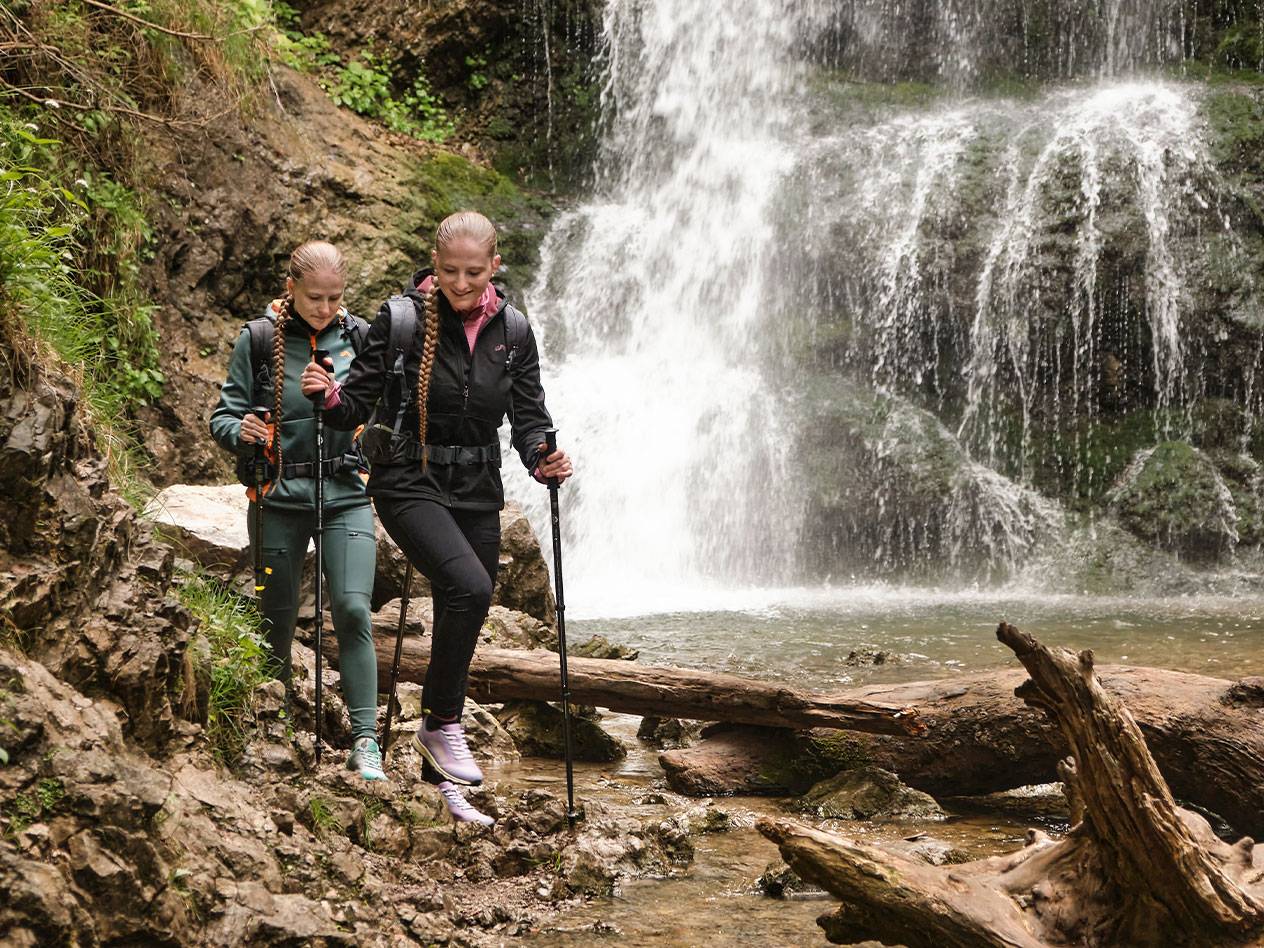
A summit tour is not just a simple hike – it is a true experience for body and mind. Especially the first time is extraordinary when you climb the mountain past the tree line. The twins Isa and Maren love this experience, which is why they spend most of their free time in nature. That is why they know: "The first summit is not a race. It is not about arriving at the top first, but what you experience along the way." And there is plenty of that, such as:
- The panoramic view – over valleys, forests, and sometimes even to the horizon.
- Peace and relaxation – far away from the noise of everyday life.
- Pride & motivation – because when you reach the top, you have achieved something that stays with you.
The best part: You do not need professional equipment and you do not have to start with the highest peak. You will surely find smaller mountains nearby that are perfect for beginners – well-marked, scenic, and safe to hike.
Choosing a Route: Which Peak Is Best for Beginners?
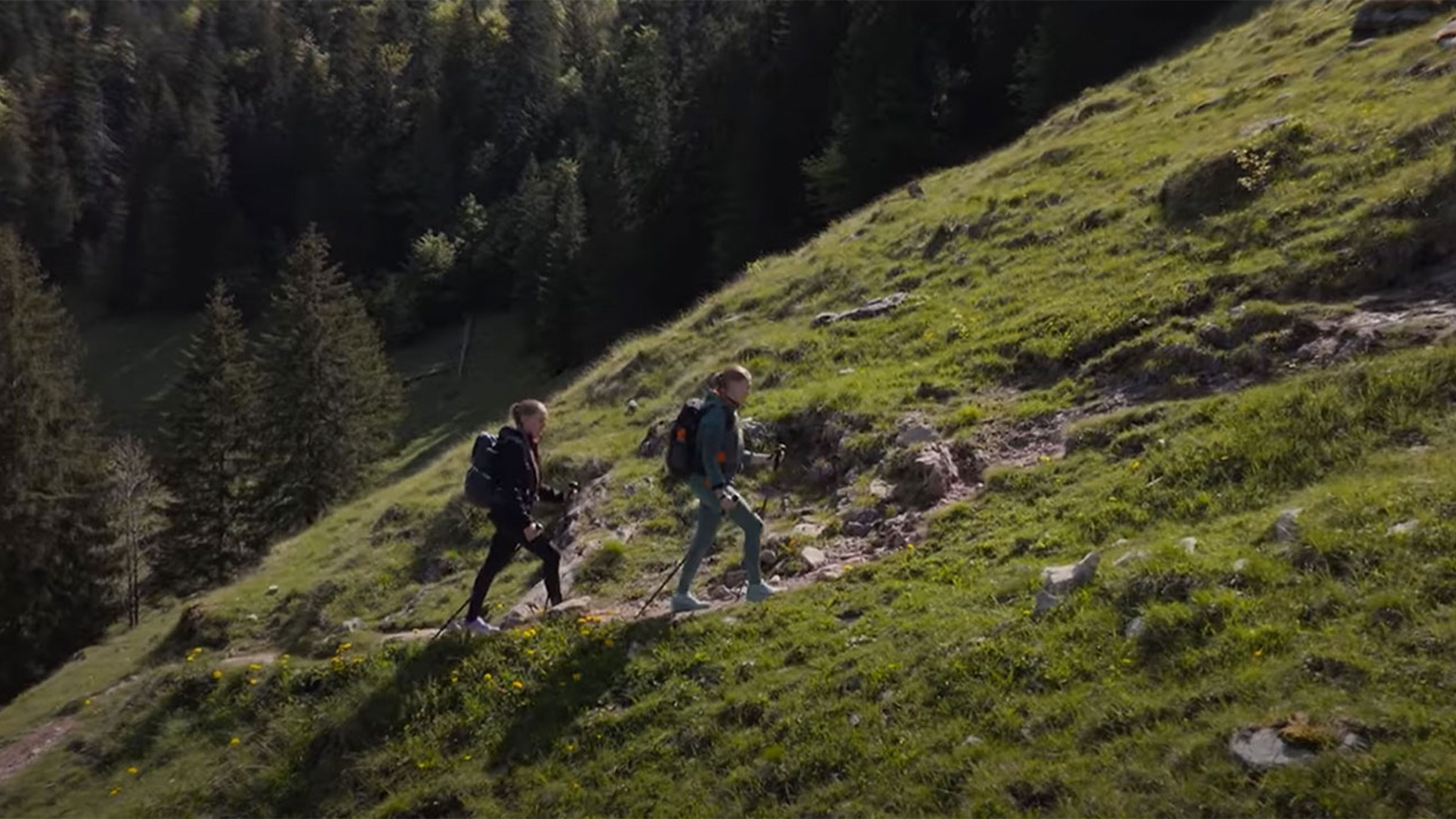
Not every mountain is a good starting point. However, there are plenty of peaks that are perfect for your first climb. For your first hike, you should keep the following aspects in mind:
1. Low Technical Difficulty
- Hiking trails without climbing sections
- Marked paths with minimal loose gravel
- No steep ridges or exposed sections
2. Moderate Elevation Gain
- An elevation gain of 1,300 to 2,600 feet (400 to 800 meters) is ideal
- Hiking time: approx. 3 to 5 hours (round trip)
3. Good Infrastructure
- Parking nearby
- A place to stop for food or a mountain hut along the way
- Signposts and GPX tracks available
Step-by-Step to Your First Summit: How It Works
Before your first summit hike, you should prepare and get the right gear. As experienced outdoor enthusiasts, Isa and Maren have some tips for beginners that you should definitely keep in mind before you conquer your first peak.
1. Choose a suitable route
You can browse the internet or outdoor apps for this. Difficulty levels are usually indicated as well.
2. Check the weather beforehand
This makes packing for the trip much easier. "Many people start with too much – or with the wrong things. An overloaded backpack makes everything harder." Checking the weather forecast can therefore help.
3. Choose appropriate clothing
"Good clothing is especially important when hiking. Your clothing can vary greatly depending on the weather and season. Specifically, your outerwear and shoes should keep out wind and rain while still being breathable," recommend the twins.
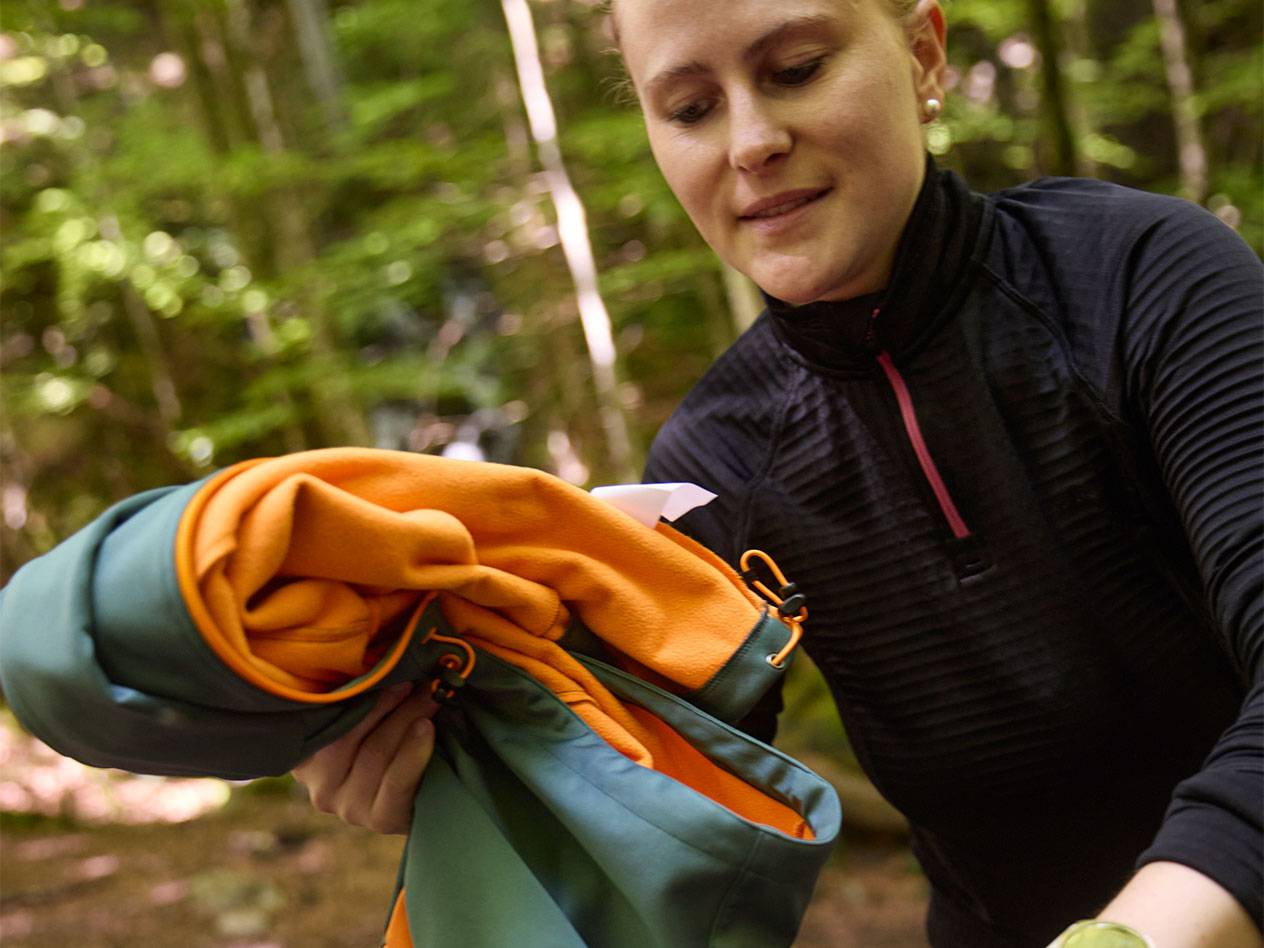
4. Pack a change of clothes
When hiking, layering is often key because "you warm up quickly once you're moving," Isa and Maren know. Their tip: "Don't wear too much at the start, but pack a change of clothes, a windbreaker, and a rain jacket."
5. Find suitable shoes and break them in
Nothing is worse on a summit hike than blisters on your feet. That's why they should not only fit well, but also be broken in. "They should also have good grip to give you traction on rough terrain."
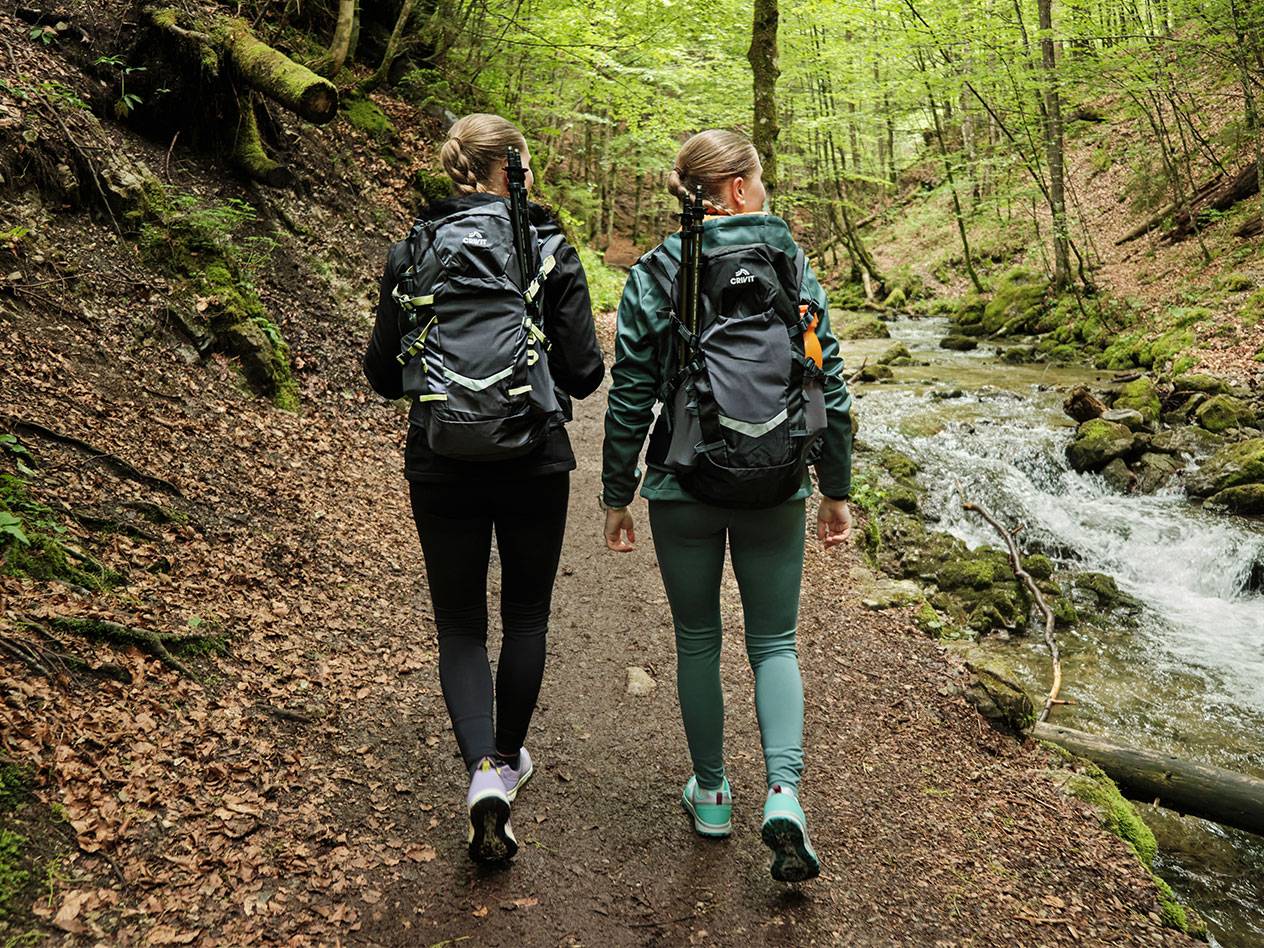
6. Pack your backpack correctly
A heavy backpack makes the way up a lot more challenging. "How you pack your backpack can make a huge difference." How to do it right? "Pack heavy items first and always close to your back."
7. Use trekking poles
Special trekking poles help relieve pressure on your knees during mountain hikes. "Especially going downhill or on difficult paths, poles can be a huge help," say the twins, who always have them along. "They can be adjusted perfectly to your height. When collapsed, you can still carry them easily."
8. Head out and enjoy it
Finally, all that's left to do is: head out and enjoy. Always remember Isa and Maren's words: "It's not about being the first to reach the top, but what you experience along the way."
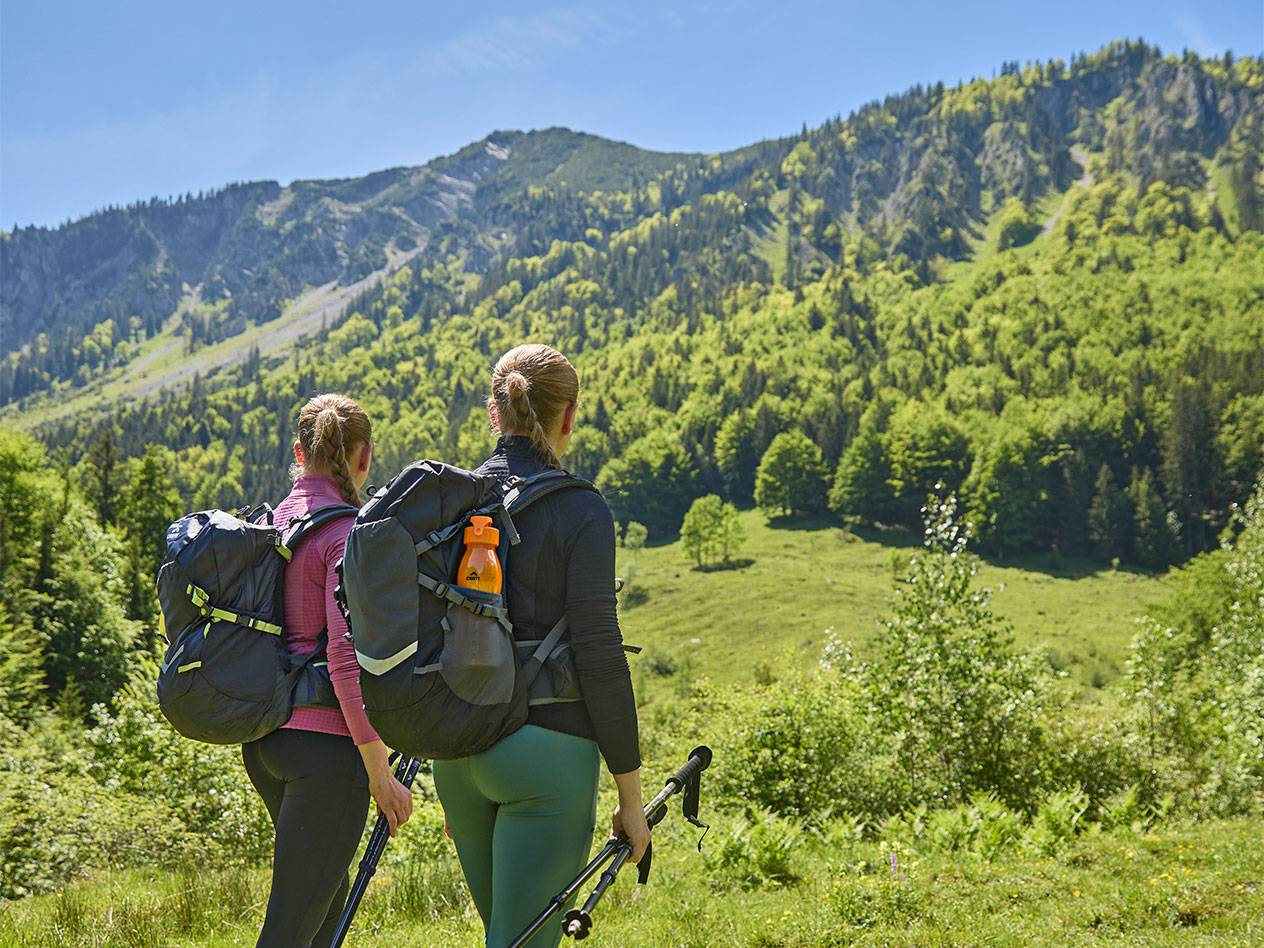
The first summit is only the beginning
The moment you stand on the summit is hard to put into words – and that goes for smaller peak hikes too. Isa and Maren can’t get enough of it: “Even if it’s not the highest peak, you made it there under your own power! That feeling is indescribable for us!” You can experience that exact same feeling. Just get going and try it out. Your first summit definitely won’t be your last.
FAQs about your first mountain hike
Sturdy hiking boots, weatherproof clothing, and a small backpack with water are perfectly sufficient for most beginner peaks.
Always turn back in good time – safety always comes first. A rain jacket and a warm layer should always be in your pack, even when it's sunny.
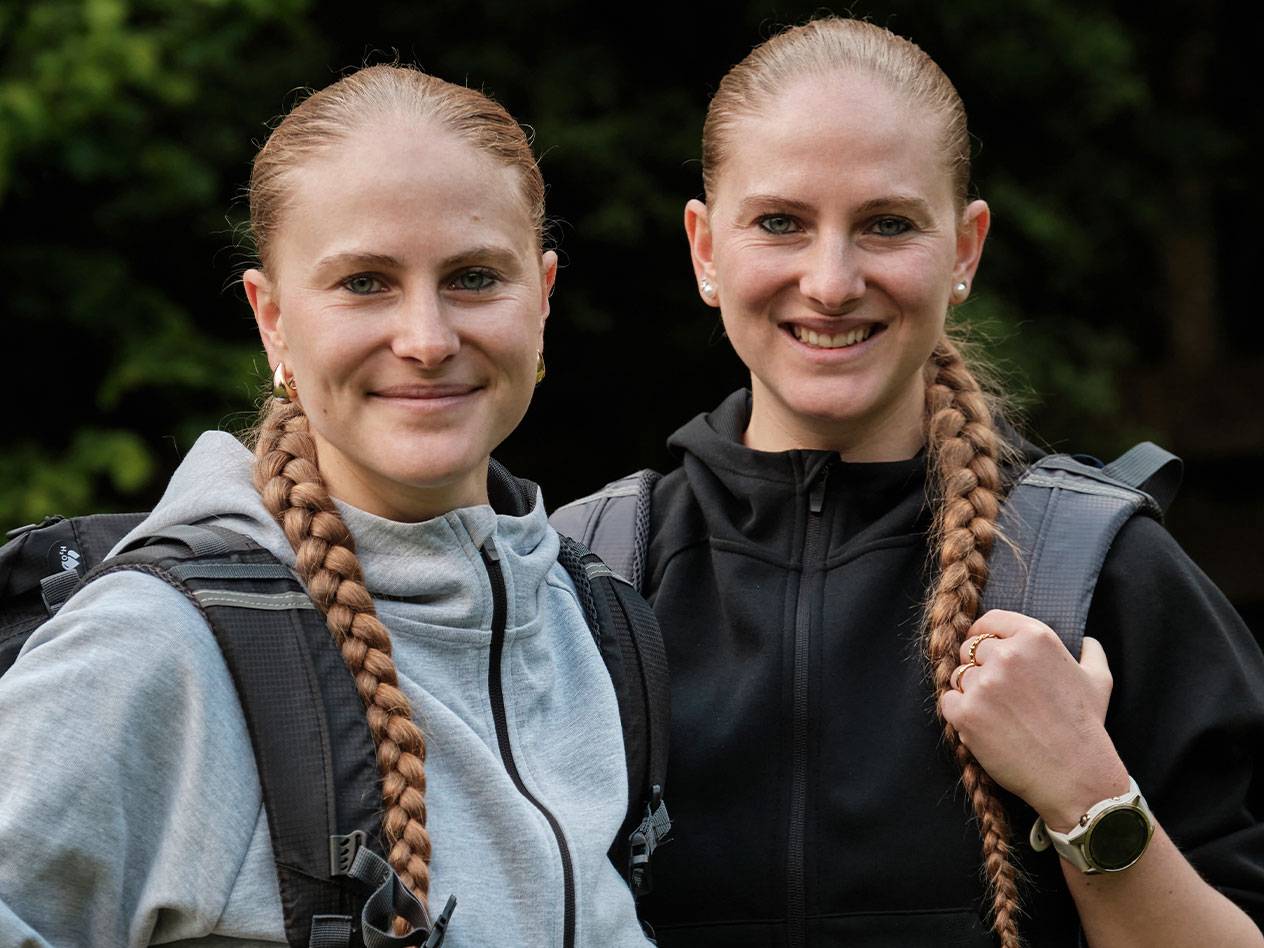
Profile of Outdoor & Camping Experts Isa and Maren
Name: Isa & Maren Franz
Age: 28 years old
Profession: Social Media Management for Sports Events
Athletic Background:
- At home in the great outdoors
- Passionate outdoor enthusiasts who spend every free minute in the fresh air
- Always ready for the next micro- or macro-adventure
What makes the twins unique: For Isa and Maren, being outdoors is a way of life – shaped by curiosity, courage, and the pure joy of movement.